
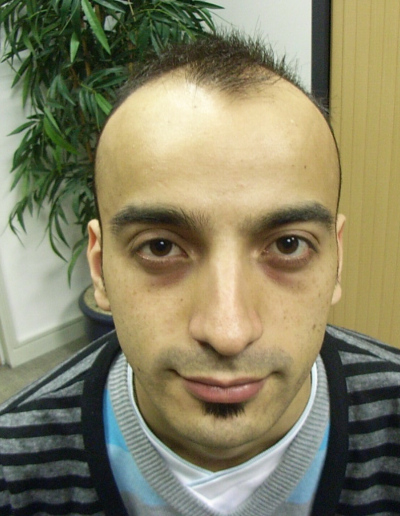
 Before
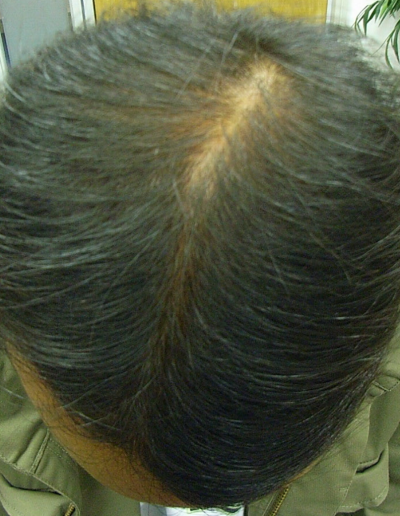 After
AfterMale Pattern Baldness12 months treatment
Asim's Male Pattern Baldness Recovery
Hairline and crown regrowth over 12 months of specialist treatment.
Learn how we helped →Struggling with sudden hair loss? Learn what causes Male Pattern Balding, how to spot the symptoms early, and explore proven treatments that help clients regain confidence.

Male Pattern Balding (MPB), also known as androgenetic alopecia in men, is a common hair loss condition. It is characterised by a distinct pattern of hair thinning that often leads to partial or complete baldness. This condition is largely genetic, meaning it's passed down through families, affecting many men as they age.
Male Pattern Balding (MPB) is caused by a genetic sensitivity to dihydrotestosterone (DHT), a hormone derived from testosterone. DHT causes hair follicles to shrink progressively, producing finer and shorter hairs until the follicle eventually stops producing hair altogether. This results in a characteristic receding hairline and crown thinning.
Merlin, who was in his early 30s, came to us concerned about his rapidly thinning hair. Learn how we helped.
Asim, a 28-year-old man of Asian descent, came to us struggling with male pattern baldness. Learn how we helped.
David came to us with evident signs of male pattern baldness. Learn how we helped.
BeforeAfterHairline and crown regrowth over 12 months of specialist treatment.
Learn how we helped →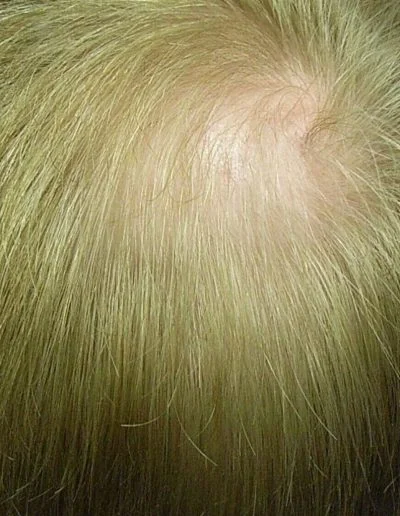 Before
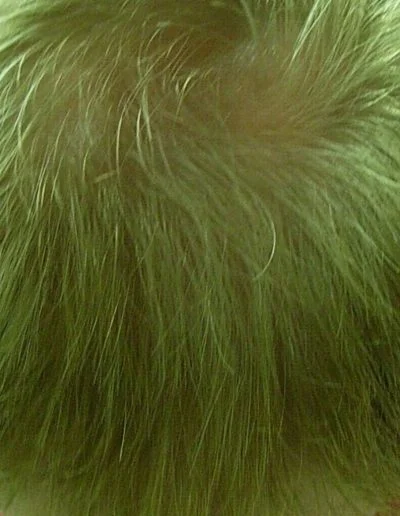 After
AfterSignificant crown density improvement at an advanced stage of male pattern baldness.
Learn how we helped →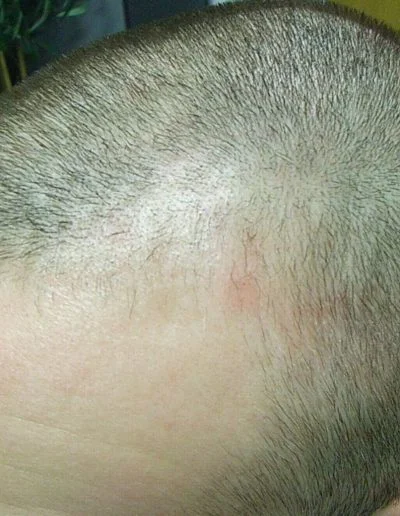 Before
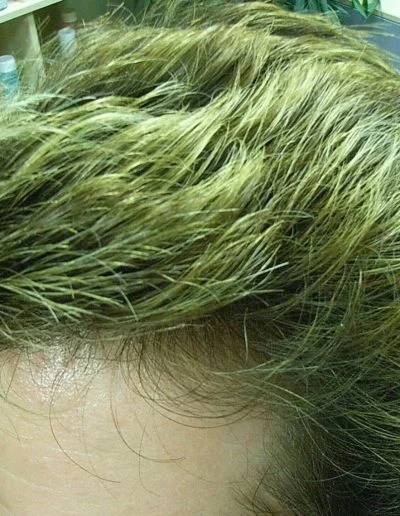 After
After40% density loss reversed — early intervention made all the difference.
Learn how we helped →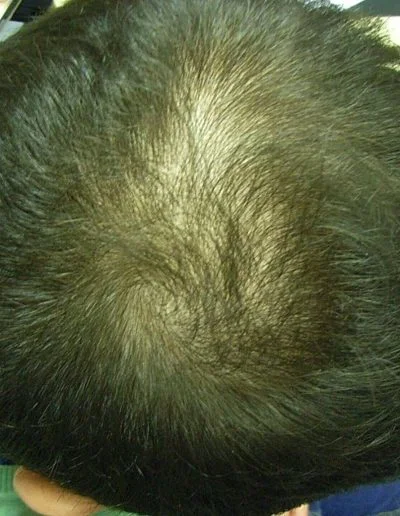 Before
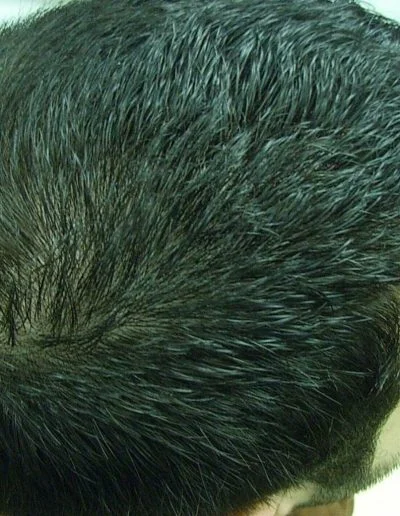 After
AfterEarly-stage pattern baldness halted and reversed with the right diagnosis.
Learn how we helped →Male Pattern Balding cannot be cured, as it is a genetic condition caused by sensitivity to DHT, which shrinks hair follicles over time. However, treatments can slow hair loss and promote regrowth in some men. Topical and oral therapies, low-level laser therapy, and other scalp treatments can all help manage the condition. Early intervention is key to maintaining as much hair as possible.
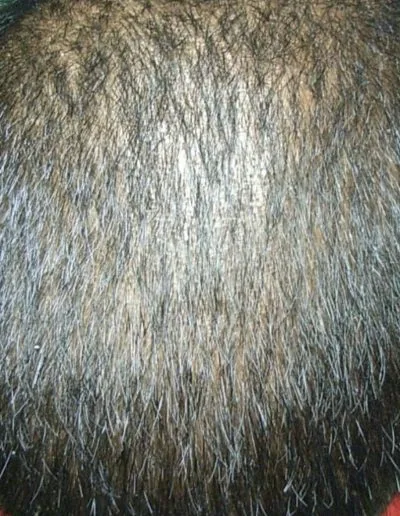 Before
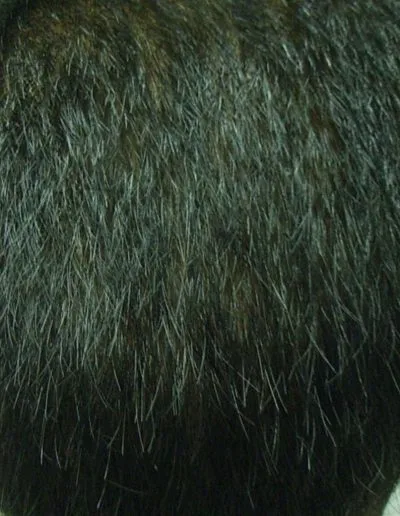 After
AfterEarly detection at 30 — targeted treatment stopped progression and restored density.
Learn how we helped →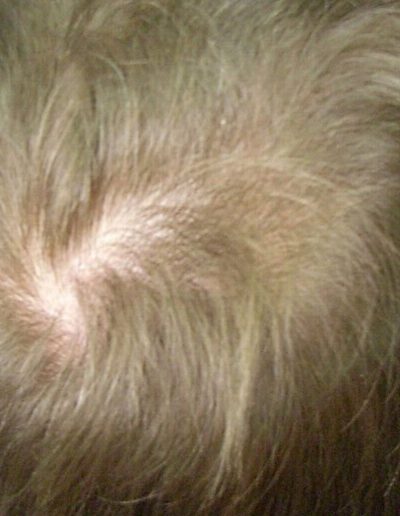 Before
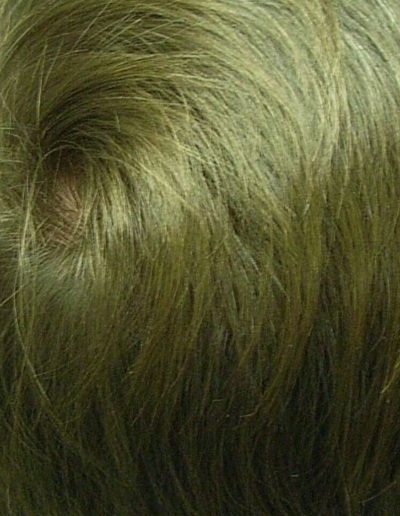 After
AfterEarly detection at 38 — specialist treatment halted hair loss and stimulated significant regrowth.
Learn how we helped →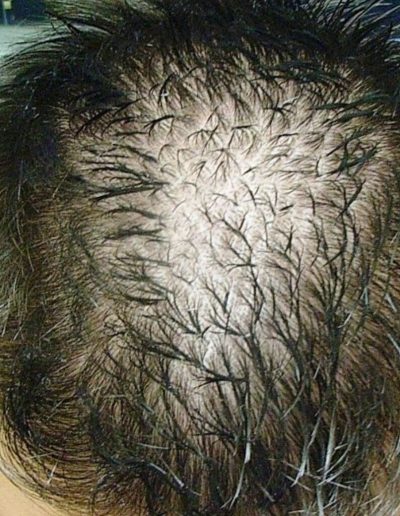 Before
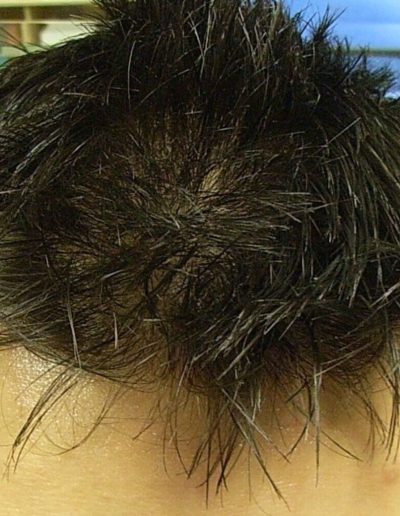 After
AfterCaught early at 28 — intervention halted progression and triggered significant regrowth.
Learn how we helped →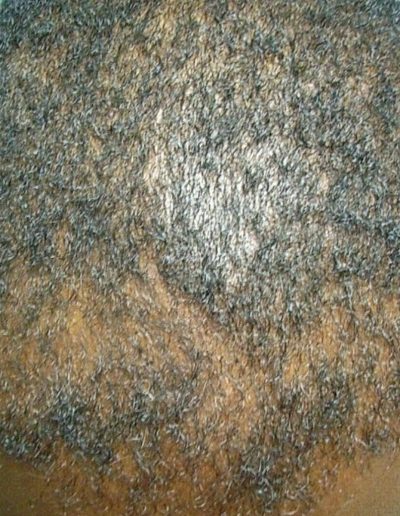 Before
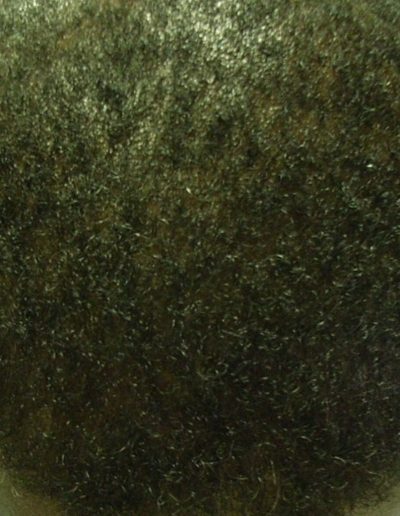 After
AfterMale pattern baldness in natural Afro hair treated successfully — curl pattern fully preserved.
Learn how we helped →
“Male Pattern Balding is the most common cause of hair loss in men, but it doesn't have to be inevitable. While there's no complete cure, there are highly effective treatments that can slow down hair loss and even stimulate regrowth. The key is starting early and choosing the right approach for long-term results.”
Yes. MPB is strongly linked to genetics and can be inherited from either parent. If close relatives have experienced significant hair loss, your risk is higher.
Yes. Male Pattern Balding can begin as early as the late teens or early 20s. Earlier onset does not necessarily mean more severe eventual hair loss, but early treatment tends to produce better long-term results.
MPB causes progressive follicle miniaturisation, which means untreated hair loss is unlikely to reverse on its own. However, treatments can slow loss and promote regrowth in active follicles, particularly with early intervention.
Options include topical and oral therapies to reduce DHT's effect on follicles, low-level laser therapy, trichology-formulated scalp treatments, and nutritional support. The best approach depends on your pattern and stage of hair loss.
As soon as you notice a receding hairline or increased shedding. The earlier treatment begins, the more hair can be preserved.
Chief Trichologist
With over 40 years' experience diagnosing and treating hair loss conditions, Gary has helped thousands of clients understand their condition and find the right treatment path.
Our proven three-step approach to diagnosing and treating hair loss
Comprehensive assessment to identify the root cause of your hair loss using specialist trichology techniques.
Custom treatment plan tailored to your specific condition, lifestyle, and goals.
Regular monitoring and adjustments to ensure the best possible outcomes for your hair health.
Free online assessment • Takes 2 minutes
Get in touch with us today and talk to a trichologist.
Call us on 0203 468 7598 and arrange an appointment.
We have over 312 five-star Trustpilot Reviews.