
Seborrhoeic Dermatitis of the Scalp: Causes, Symptoms & Treatment
Seborrhoeic Dermatitis is a common inflammatory scalp condition that causes redness, dandruff, itching, and flaky skin. With the right treatment and scalp care, symptoms can usually be controlled and flare-ups managed effectively.

Seborrhoeic Dermatitis develops when the scalp's natural balance of oil and skin microorganisms becomes disrupted. This can trigger inflammation, irritation, and flaking, often appearing in cycles where symptoms improve and then flare up again.
What Happens with Seborrhoeic Dermatitis?
Seborrhoeic Dermatitis develops when your scalp produces excess oil (sebum) and a naturally occurring yeast called Malassezia grows more rapidly than usual. This yeast normally lives harmlessly on your scalp. However, when oil production increases, it can disrupt the natural balance, triggering an inflammatory reaction.
As your scalp becomes inflamed, the normal shedding cycle of skin cells speeds up. Instead of shedding invisibly, the cells clump together with sebum and form visible flakes. This inflammation can lead to:
- Persistent dandruff
- Redness and irritation
- Itching or scalp sensitivity
- Greasy or yellowish flakes on the scalp
Seborrhoeic Dermatitis often occurs in areas where your skin produces more oil, such as the scalp, hairline, eyebrows, and beard area. Symptoms may come and go in cycles, with flare-ups triggered by factors such as stress, weather changes, or hormonal shifts.
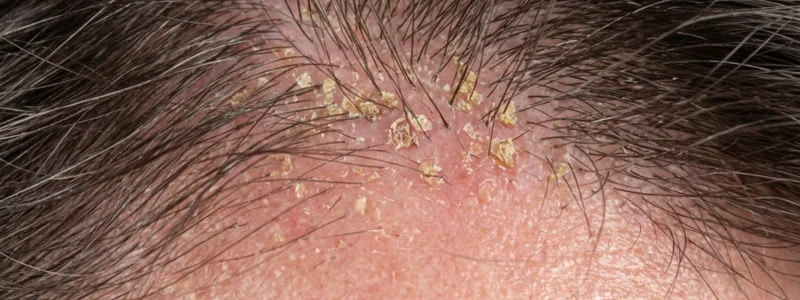
What Are the Symptoms of Seborrhoeic Dermatitis?
Seborrhoeic Dermatitis often appears as greasy yellow flakes and mild redness on the scalp, particularly around the hairline.
Common symptoms include:
- Persistent dandruff that does not improve with normal shampoo
- Greasy or yellowish flakes on the scalp
- Redness and inflammation of the scalp skin
- Itching and scalp sensitivity
- Sensitive or sore scalp areas
Your symptoms can vary in severity and may worsen during flare-ups.
In some cases, the condition may also affect other oil-producing areas of your body, such as:
- Eyebrows
- Sides of the nose
- Beard area
- Behind the ears
Key Facts About Seborrhoeic Dermatitis
- Common condition: Seborrhoeic Dermatitis affects around 5% of adults and is one of the most frequent causes of persistent dandruff
- Chronic but manageable: While the condition may return periodically, symptoms can usually be controlled effectively with the right treatment
- Linked to scalp oil production: If you have a naturally oilier scalp, you may be more susceptible
- Stress can trigger flare-ups: Emotional or physical stress often worsens symptoms
- Seasonal patterns: Symptoms are often worse during colder months
What Triggers Seborrhoeic Dermatitis?
- Excess Scalp Oil: Increased sebum production creates an environment where yeast can grow more easily
- Yeast Overgrowth: An overgrowth of Malassezia yeast can irritate your scalp and trigger inflammation
- Stress: Can affect your skin's immune response and contribute to flare-ups
- Cold or Dry Weather: Symptoms often worsen during the winter months
- Hormonal Changes: Fluctuations in hormone levels can influence oil production and make symptoms harder to control
- Certain Hair Products: Harsh or irritating products may aggravate your scalp and make flare-ups worse
Can Seborrhoeic Dermatitis Cause Hair Loss?
Seborrhoeic Dermatitis does not usually cause permanent hair loss. However, when inflammation of your scalp becomes severe or persistent, it can temporarily disrupt the hair growth cycle. This may lead to:
- Increased hair shedding
- Weakened hair growth
- Temporary thinning in affected areas
Once your scalp inflammation is treated and your scalp returns to a healthier state, normal hair growth usually resumes.
Can Seborrhoeic Dermatitis Be Cured?
Seborrhoeic Dermatitis is usually considered a chronic condition, which means it may return periodically over time. However, your symptoms can usually be controlled effectively with the right treatment and scalp care routine. Treatment typically focuses on:
- Reducing yeast overgrowth
- Calming scalp inflammation
- Controlling excess oil production
- Preventing flare-ups
Seborrhoeic Dermatitis vs Dandruff
Dandruff and Seborrhoeic Dermatitis are closely related and are often confused. Seborrhoeic Dermatitis is essentially a more inflamed form of dandruff, where the scalp becomes irritated due to excess oil and yeast overgrowth.
| Feature | Dandruff | Seborrhoeic Dermatitis |
|---|---|---|
| Flakes | Usually dry white flakes | Often greasy yellow flakes |
| Redness | Usually absent | Common due to scalp inflammation |
| Itching | Usually mild | Often more noticeable |
| Inflammation | Minimal | Inflamed scalp skin is common |
| Symptoms | Typically mild | Can flare periodically |
| Treatment | Often improves with anti-dandruff shampoo | May require medicated shampoos and targeted scalp treatment |
Seborrhoeic Dermatitis is essentially a more inflamed form of dandruff, where the scalp becomes irritated due to excess oil production and the activity of a naturally occurring yeast called Malassezia. If dandruff becomes persistent, itchy, or accompanied by redness of the scalp, it may indicate Seborrhoeic Dermatitis rather than simple dandruff.
How Is Seborrhoeic Dermatitis Diagnosed?
A specialist can usually diagnose Seborrhoeic Dermatitis by examining your scalp and assessing symptoms such as redness, scaling, and dandruff. Professional evaluation may also involve ruling out other conditions like psoriasis or fungal infections to determine the most suitable treatment plan.

“Seborrhoeic Dermatitis is a common scalp condition that can cause persistent flaking and irritation. With the right treatment and scalp care routine, most people are able to manage it well and prevent it from recurring frequently.”
Seborrhoeic Dermatitis FAQ
Is Seborrhoeic Dermatitis the same as dandruff?
Seborrhoeic Dermatitis represents one of the most frequent causes of dandruff. While dandruff typically refers to mild flaking, this condition involves scalp inflammation causing redness, itching, and greasy yellow flakes.
Can Seborrhoeic Dermatitis cause hair loss?
Seborrhoeic Dermatitis does not usually cause permanent hair loss. However, severe or ongoing scalp inflammation may temporarily interrupt the hair growth cycle, resulting in increased shedding.
Is Seborrhoeic Dermatitis contagious?
No, it is not contagious and cannot spread between individuals. The condition relates to scalp inflammation, oil production, and yeast activity.
What causes Seborrhoeic Dermatitis flare-ups?
Common triggers include stress, hormonal changes, cold weather, excess scalp oil production, and overgrowth of Malassezia yeast.
Can Seborrhoeic Dermatitis go away on its own?
Symptoms may temporarily improve, but the condition typically recurs without treatment. Maintaining scalp health helps manage flare-ups.
How is Seborrhoeic Dermatitis treated?
Treatment usually focuses on reducing yeast overgrowth and calming scalp inflammation through medicated shampoos and anti-inflammatory care.
Chief Trichologist
Gary Heron
With over 40 years' experience diagnosing and treating hair loss conditions, Gary has helped thousands of clients understand their condition and find the right treatment path.
- 40+ specialist experience in trichology
- Diagnosis-first approach to treatment planning
- Personalised treatment plans for all hair loss types
- Proven track record with thousands of clients
Take the First Step Towards Healthier Hair
Our proven three-step approach to diagnosing and treating hair loss
Expert Diagnosis
Comprehensive assessment to identify the root cause of your hair loss using specialist trichology techniques.
Personalised Treatment
Custom treatment plan tailored to your specific condition, lifestyle, and goals.
Ongoing Support
Regular monitoring and adjustments to ensure the best possible outcomes for your hair health.
Free online assessment • Takes 2 minutes
Hair Loss Issue?
Book a Free Video Consultation
Get in touch with us today and talk to a trichologist.
Call us on 0203 468 7598 and arrange an appointment.
We have over 312 five-star Trustpilot Reviews.