
Female Hair Loss: Causes, Conditions and Treatments
Hair loss in women is more common than many people realise and can be triggered by a range of factors including hormonal changes, stress, and medical conditions. Identifying the symptoms early and understanding the underlying cause can help guide effective treatment.

Understanding Female Hair Loss
Female hair loss is often dismissed or misdiagnosed. The truth is that millions of women experience significant hair thinning or loss — and the causes are highly varied. Without expert diagnosis, ineffective treatments are common.
At The Hair Centre, our specialist trichologist Gary Heron has over 40 years of experience diagnosing and treating every form of female hair loss. He will identify the exact cause and create a personalised treatment plan tailored to your specific condition and lifestyle.
Common Causes of Hair Loss in Women
Diffuse Hair Loss
Gradual thinning across the whole scalp — the most common type of hair loss in women. Causes include stress, hormonal influences, and reduced blood supply.
Learn more →Female Pattern Baldness
Linked to hormonal changes — often after menopause, childbirth or stopping contraceptive pills. Causes uniform diffuse thinning across the scalp.
Learn more →Telogen Effluvium
Hair's growing phase is interrupted, causing follicles to enter resting phase too early. Diffuse shedding typically begins 2–4 months after the trigger.
Learn more →Alopecia Areata
Extremely common autoimmune condition causing sudden patchy hair loss. Affects 1–2% of the population — mostly children and young adults.
Learn more →Late-Onset Thinning
Age-related diffuse thinning where hair density gradually reduces across the scalp due to hormonal changes. Early recognition is crucial.
Learn more →PCOS Hair Loss
Hormonal hair thinning linked to polycystic ovary syndrome — elevated androgens cause follicle miniaturisation.
Learn more →Traction Alopecia
Hair loss caused by continuous tension — tight ponytails, plaiting, braids, or tight rollers. Follicles gradually shrink producing finer and finer hairs.
Learn more →Real Results from Our Female Clients
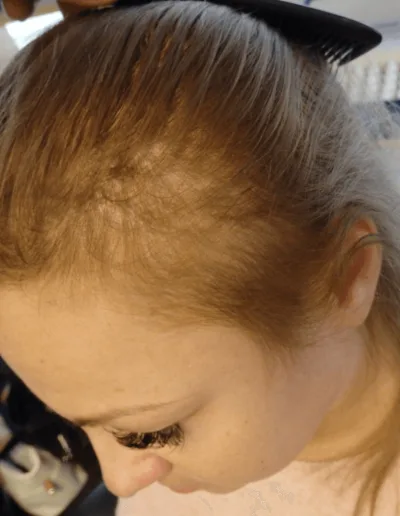 Before
 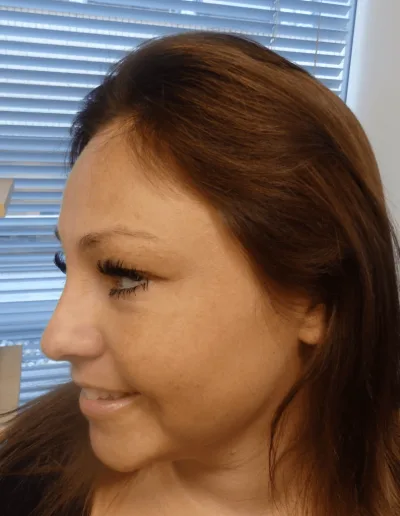 After
After 9 months treatment
Hanna's Diffuse Thinning Recovery
Severe diffuse thinning across the entire scalp — Hanna's density was fully restored within nine months of specialist treatment.
Learn how we helped →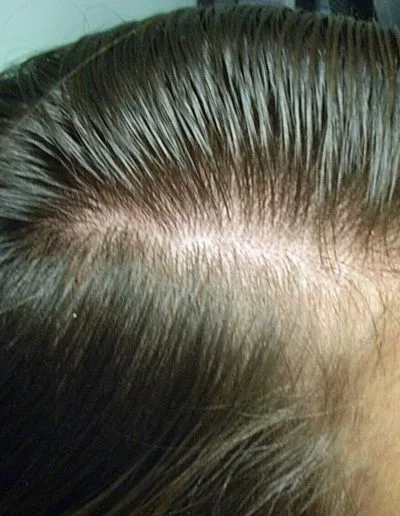 Before
 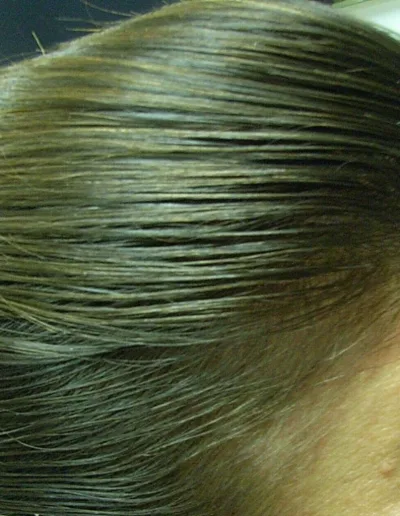 After
After 12 months treatment
Anna's Female Pattern Baldness Recovery
Significant density loss from female pattern baldness reversed — Anna's hair volume returned to its natural fullness.
Learn how we helped →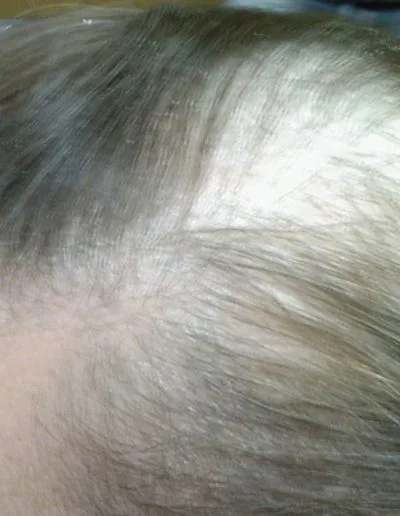 Before
  After
After 6 months treatment
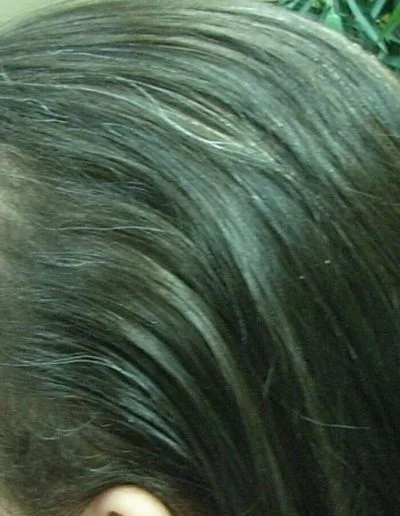
Sue's Telogen Effluvium Recovery
Stress-triggered shedding brought her hair to its thinnest point — Sue's shedding stopped and her density was fully restored in six months.
Learn how we helped →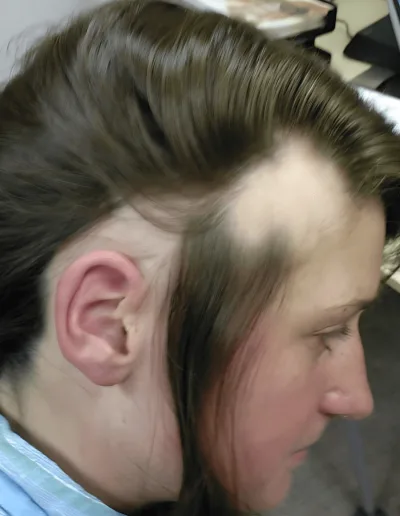 Before
  After
After 12 months treatment
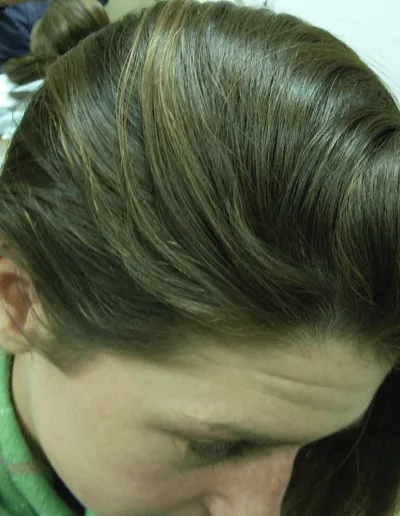
Rachel's Alopecia Areata Recovery
Serious alopecia areata across the scalp reversed with expert diagnosis and targeted treatment — Rachel's confidence and hair returned together.
Learn how we helped →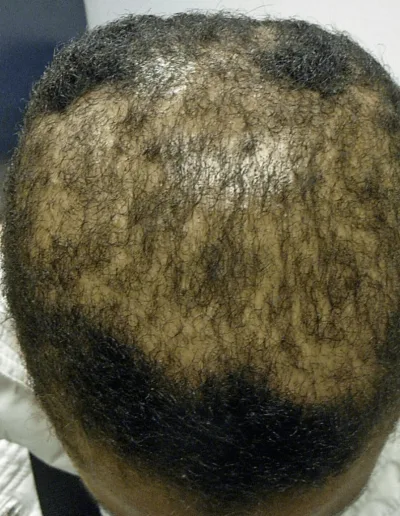 Before
  After
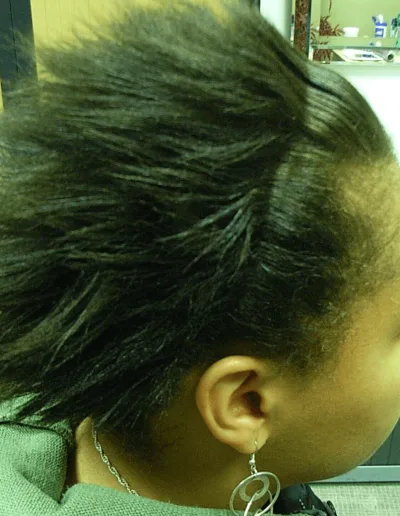
After 10 months treatment
Angela's Traction Alopecia Recovery
Chemical damage and traction alopecia treated together — Angela's hair regrew fully after a decade of tension-related loss.
Learn how we helped →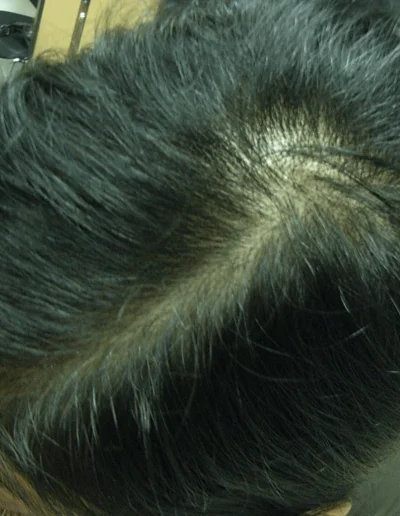 Before
  After
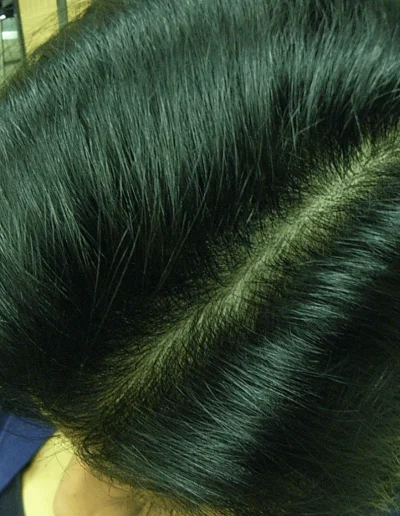
After 12 months treatment
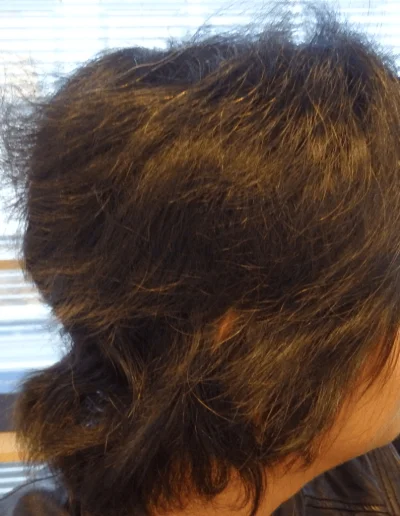
Bally's Female Pattern Balding Recovery
40% density loss from female pattern hair loss restored — hair vitality and thickness fully recovered.
Learn how we helped →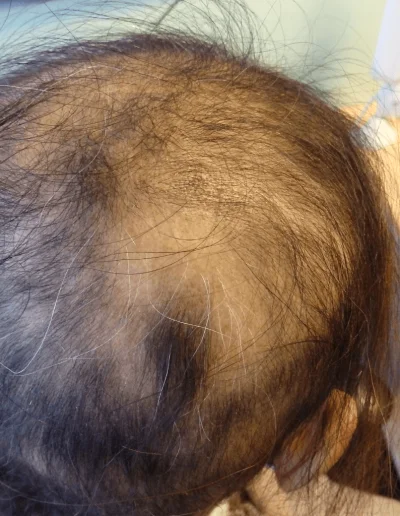 Before
  After
After 4 months treatment
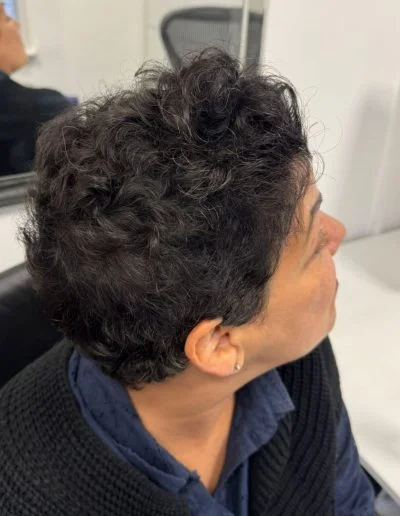
Priya's Telogen Effluvium Recovery
Rapid shedding triggered by stress brought under control — full density restored in just four months.
Learn how we helped →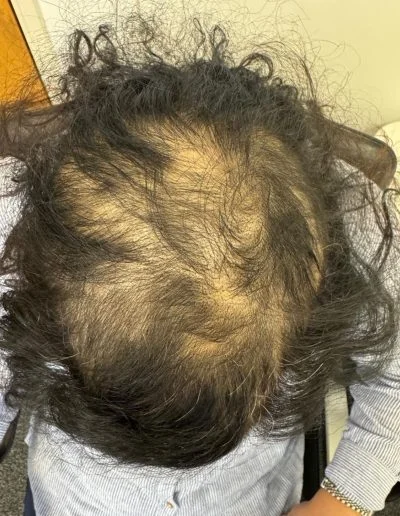 Before
  After
After 6 months treatment
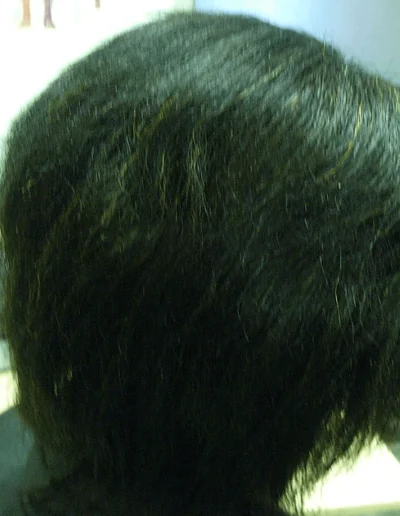
Leah's Alopecia Areata Recovery
Significant regrowth from severe patchy hair loss through personalised trichology treatment.
Learn how we helped →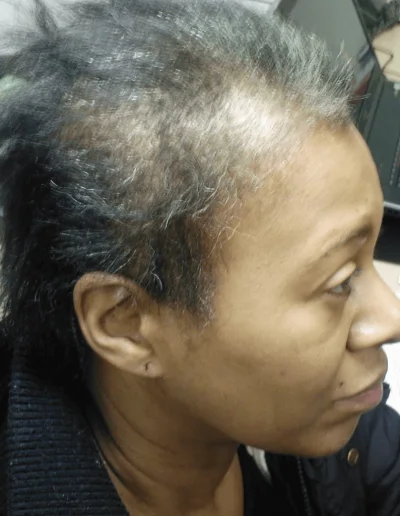 Before
  After
After 9 months treatment
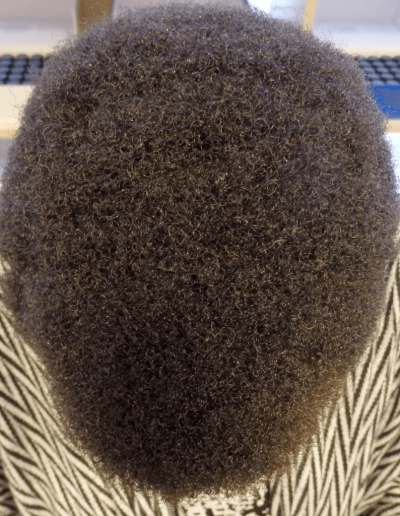
Hazel's Traction Alopecia Recovery
Severe hairline recession from years of tight braiding reversed with specialist trichology care.
Learn how we helped →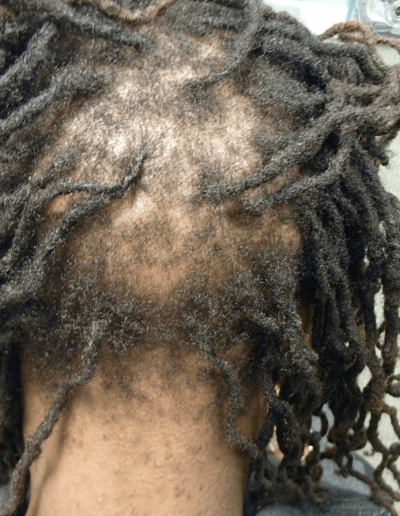 Before
  After
After 12 months treatment
Julia's Traction Alopecia Recovery
Afro-textured hairline restored after severe traction alopecia caused by years of tight protective styles.
Learn how we helped →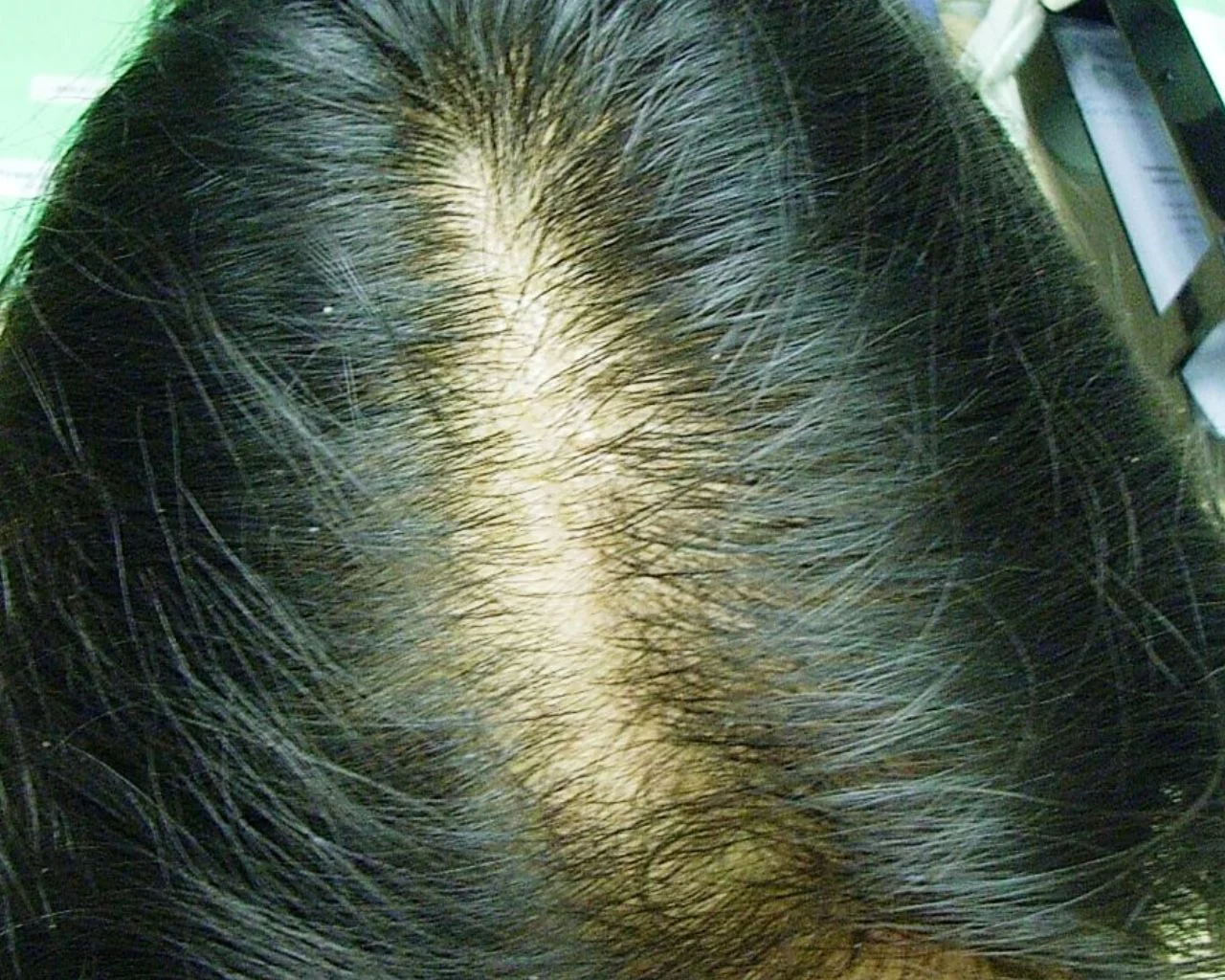 Before
 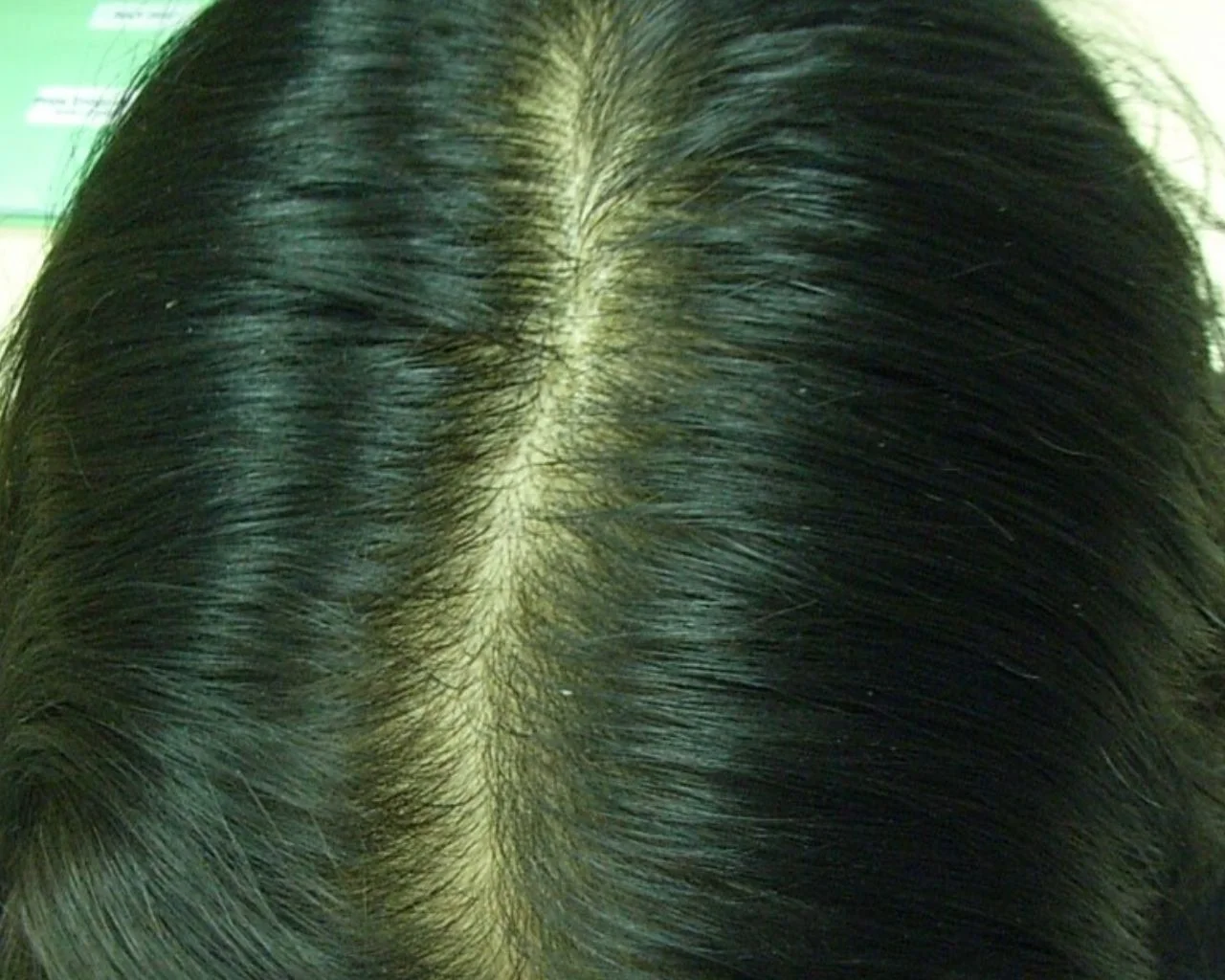 After
After 12 months treatment
Mary's Severe FPB Recovery
Significant density restored after severe female pattern hair loss — visible parting closed and confidence returned.
Learn how we helped →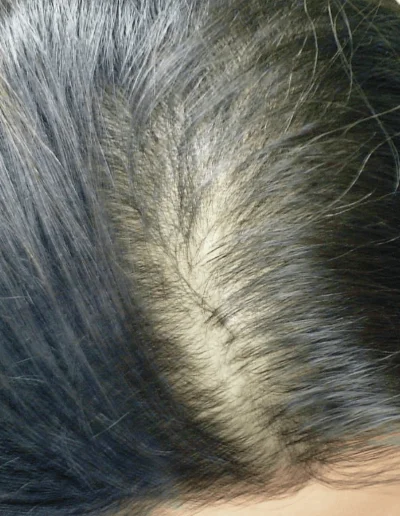 Before
 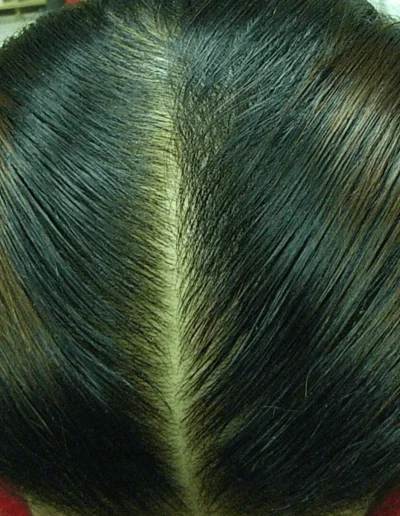 After
After 6 months treatment
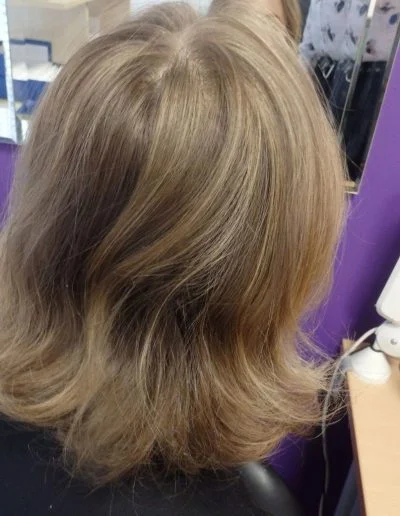
Abbey's Telogen Effluvium Recovery
Stress-triggered hair shedding stopped within weeks — hair fully restored within six months.
Learn how we helped →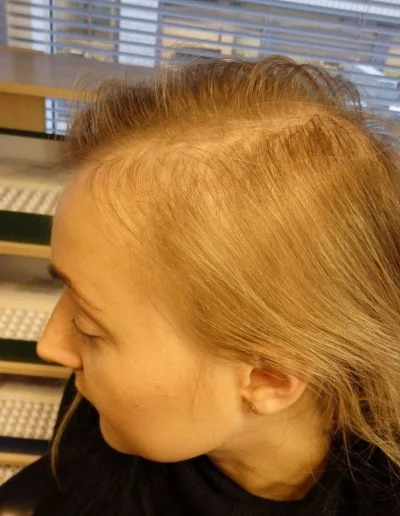 Before
  After
After 5 months treatment
Alice's Alopecia Areata Recovery
Multiple bald patches treated successfully — Alice now maintains healthy, full hair.
Learn how we helped →Trauma-Based Hair Loss Conditions
There are three primary trauma-related hair loss conditions that affect women:
Chemical Trauma
Chemical processes like bleaching, relaxing, perming, or dyeing can severely damage the hair's protein structure, leading to dehydration, brittleness, and hair loss. These chemicals can also cause scalp irritation, further exacerbating the problem.
Traction Alopecia
Hair loss triggered by continuous tension on the hair — from tight ponytails, plaiting, braids, or tight rollers. The persistent pulling leads to the gradual shrinking of the hair follicle, producing finer and finer hairs over time. Early diagnosis and treatment is essential.
Surgery or Body Injury
Injuries to the body, surgery, and associated anaesthetics and medications can interrupt the normal hair growth cycle. Even a relatively minor injury can result in disproportionately severe hair loss.
Chief Trichologist
Gary Heron
With over 40 years' experience diagnosing and treating hair loss conditions, Gary has helped thousands of clients understand their condition and find the right treatment path.
- 40+ specialist experience in trichology
- Diagnosis-first approach to treatment planning
- Personalised treatment plans for all hair loss types
- Proven track record with thousands of clients

Take the First Step Towards Healthier Hair
Our proven three-step approach to diagnosing and treating hair loss
Expert Diagnosis
Comprehensive assessment to identify the root cause of your hair loss using specialist trichology techniques.
Personalised Treatment
Custom treatment plan tailored to your specific condition, lifestyle, and goals.
Ongoing Support
Regular monitoring and adjustments to ensure the best possible outcomes for your hair health.
Free online assessment • Takes 2 minutes
Hair Loss Issue?
Book a Free Video Consultation
Get in touch with us today and talk to a trichologist.
Call us on 0203 468 7598 and arrange an appointment.
We have over 312 five-star Trustpilot Reviews.