
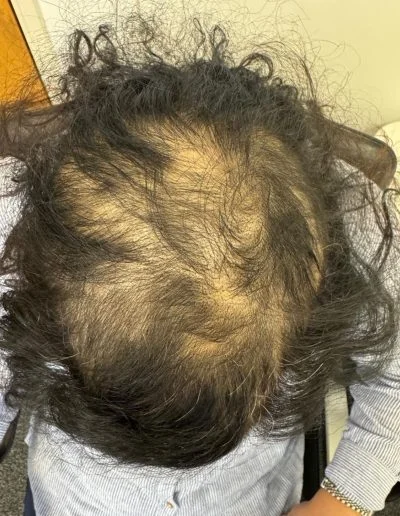
 Before
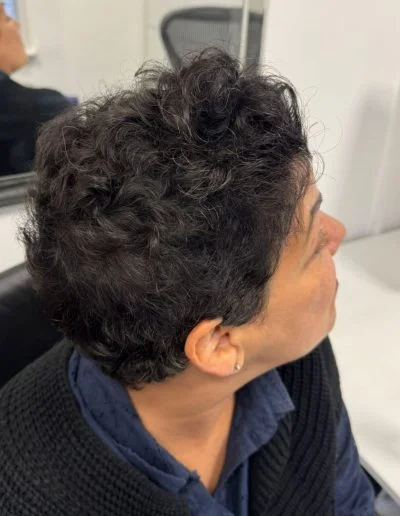 After
AfterAlopecia Areata6 months treatment
Leah's Alopecia Areata Recovery
Significant regrowth from severe patchy hair loss through personalised trichology treatment.
Learn how we helped →Struggling with sudden hair loss? Learn what causes Alopecia Areata, how to spot the symptoms early, and explore proven treatments that help clients regain confidence.
Alopecia Areata is an extremely common condition and will affect 1% to 2% of the population at some point in their lives. Most sufferers are children and young adults (below 40 years old), though it can affect people of all ages. The exact cause of Alopecia Areata is still unknown, although current theories include a form of auto-immune disease, stress or a genetic basis.
Alopecia Areata is an autoimmune condition that causes sudden, patchy hair loss, often beginning on the scalp. The condition often begins with small, smooth bald patches that may gradually widen over time. It can also affect the nails, causing them to appear pitted, ridged, or brittle.
Alopecia Areata occurs when the immune system mistakenly attacks hair follicles, interrupting hair growth. Most people experience only a few bald spots, but in more severe cases, the hair loss may be more extensive and affect other parts of the body.
Although not physically painful, Alopecia Areata can be distressing and emotionally challenging, but it's important to know that recovery is possible.
BeforeAfterSignificant regrowth from severe patchy hair loss through personalised trichology treatment.
Learn how we helped →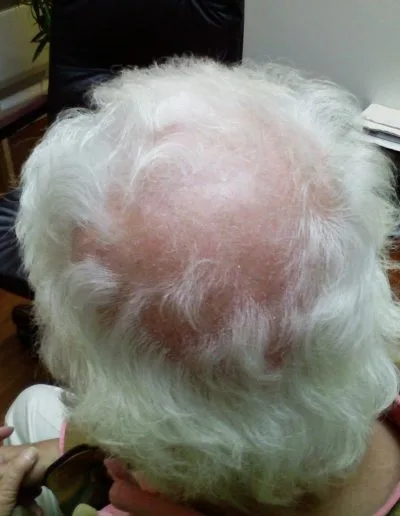 Before
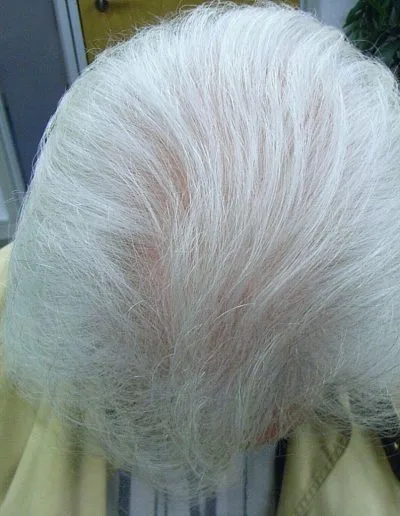 After
AfterFull regrowth achieved at age 70 — proof that treatment works at any age.
Learn how we helped →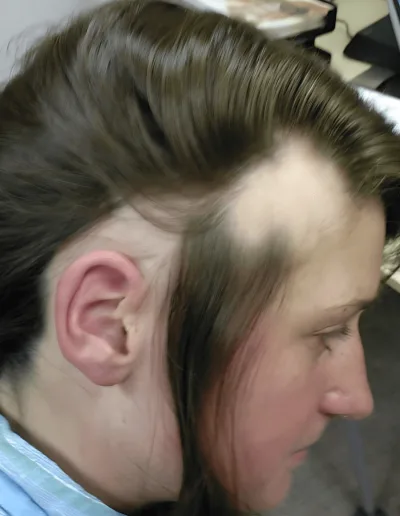 Before
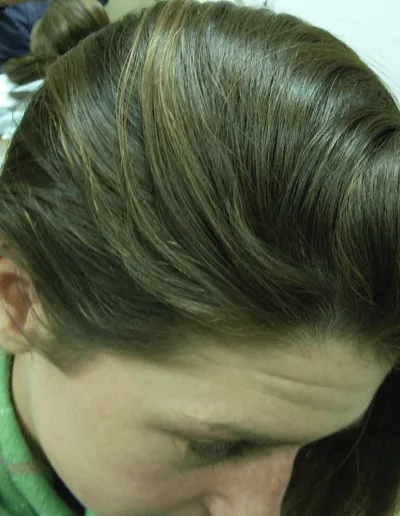 After
AfterSerious alopecia areata across the scalp reversed with expert diagnosis and targeted treatment.
Learn how we helped →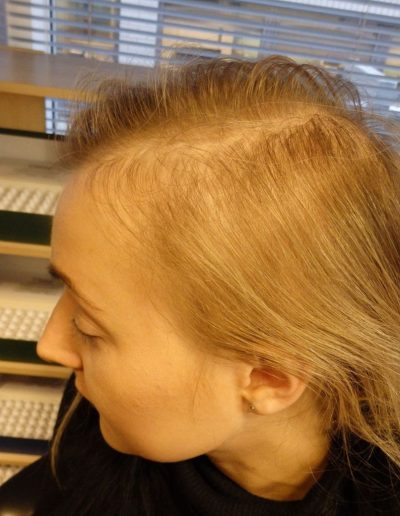 Before
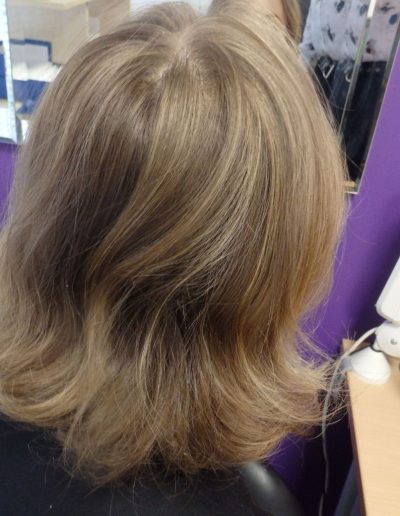 After
AfterMultiple bald patches treated successfully — Alice now maintains healthy, full hair.
Learn how we helped →Alopecia Areata typically starts with one or more small, round patches of sudden hair loss, most often on the scalp or beard area.
The exact cause of Alopecia Areata isn't fully understood, but several potential triggers are believed to play a role.
Alopecia Areata is widely considered an autoimmune condition. For reasons not yet fully clear, the body begins attacking its own hair follicles. This immune response may be influenced by:
The Hair Loss Centre's trichologically formulated treatments and lotions reduce the immune response. It is best to treat the condition as soon as it is diagnosed. Let us help you.
“Triggers are often outside of your control. The important thing to know is that you didn't cause this, and effective treatments are available. With the right support, many people with Alopecia Areata see significant regrowth.”
Not always. In many cases, hair can regrow — especially with early treatment. However, the condition can be unpredictable, and some people experience repeated flare-ups.
It can be triggered by stress, illness, genetics, or immune system responses. The exact cause varies by person and is not always identifiable.
No. Alopecia Areata is not contagious and cannot be passed from one person to another.
Yes. While the scalp is most commonly affected, hair loss can also occur on the eyebrows, eyelashes, and other parts of the body.
There are several treatment options including topical therapies, steroid injections, immunotherapy, and natural approaches. The best course depends on your individual case.
As soon as you notice patchy hair loss or changes in hair texture. Early intervention can make a significant difference in treatment outcomes.
Chief Trichologist
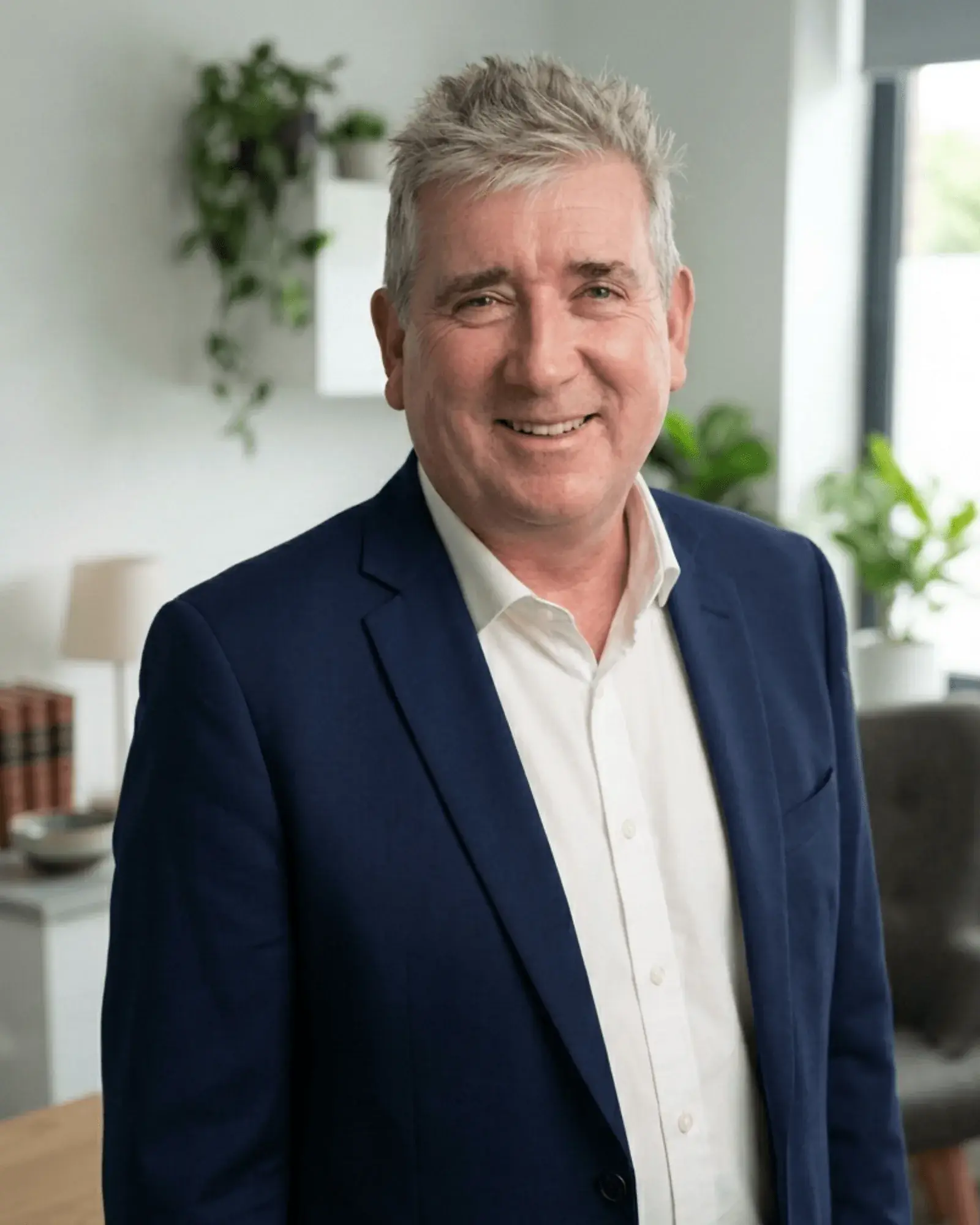
With over 40 years' experience diagnosing and treating hair loss conditions, Gary has helped thousands of clients understand their condition and find the right treatment path.
Our proven three-step approach to diagnosing and treating hair loss
Comprehensive assessment to identify the root cause of your hair loss using specialist trichology techniques.
Custom treatment plan tailored to your specific condition, lifestyle, and goals.
Regular monitoring and adjustments to ensure the best possible outcomes for your hair health.
Free online assessment • Takes 2 minutes
Get in touch with us today and talk to a trichologist.
Call us on 0203 468 7598 and arrange an appointment.
We have over 312 five-star Trustpilot Reviews.