
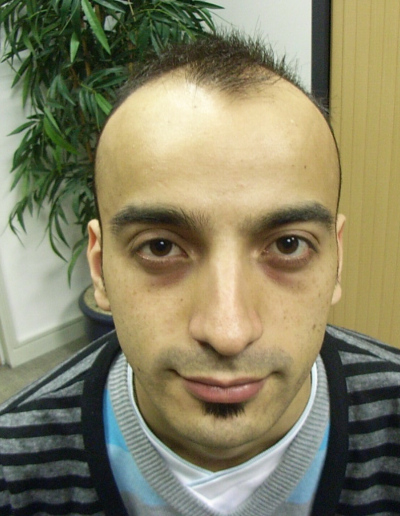
 Before
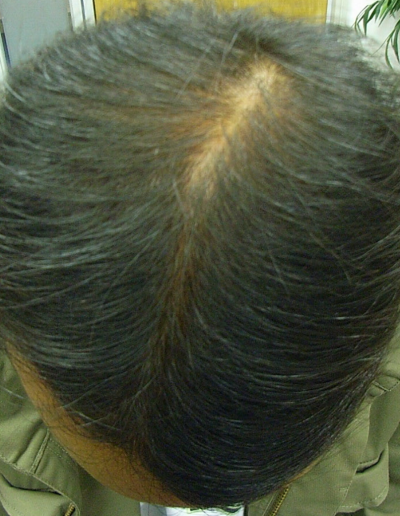 After
AfterMale Pattern Baldness12 months treatment
Asim's Male Pattern Baldness Recovery
Hairline and crown regrowth over 12 months of specialist treatment.
Learn how we helped →12 months treatment · Male Pattern Baldness

Learn how we helped Cameron successfully reverse his hair loss caused by early male pattern baldness, restored his hair's thickness helping Cameron to regain his confidence and full appearance. At 38, he proved vigilant early detection works regardless of age - catching MPB before significant progression.
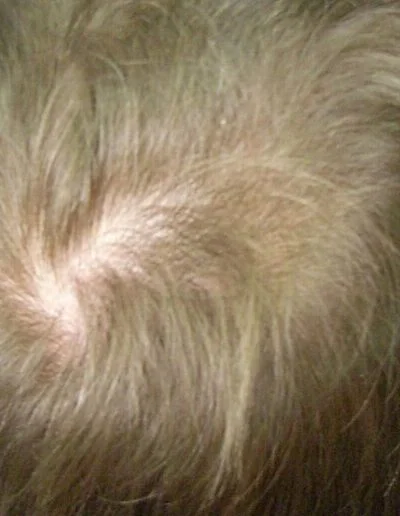 Before
 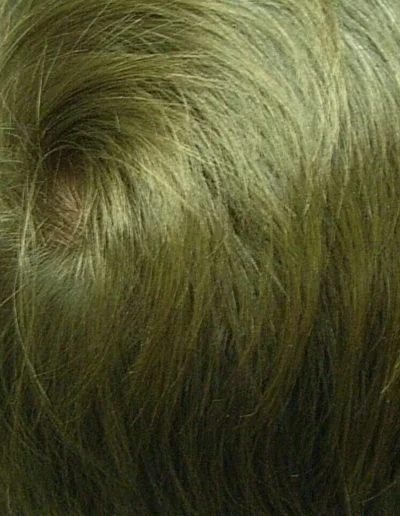 After
After Cameron, a gentleman from Scotland in his late 30s, came to us concerned about the early signs of male pattern baldness he had noticed. Unlike many men who wait until hair loss becomes more advanced, Cameron recognised the initial warning signs — minor temple recession and subtle crown thinning — and chose to act early, even though the changes were not yet obvious to others. The Vigilant Approach:
At 38, Cameron demonstrated a proactive mindset. His hair loss had not progressed to a stage where others would typically notice, but he identified the early changes himself and sought professional assessment rather than delaying action.
I'dd seen my father and uncle experience hair loss in their 40s and 50s. When I started noticing similar early signs; slight temple recession and thinning at the crown, I thought it made sense to address it early rather than wait."
The Early Detection Advantage:
Our assessment revealed:
The Late-30s Early Detection Context:
Cameron'ss case reflects a less common scenario — identifying early-stage MPB in the late 30s:
Why Early Intervention at 38 Matters:
Addressing hair loss at this stage can offer several advantages:
We created a targeted 12-month treatment programme using 15% Vitastim and 15% Biostim, applied twice daily. The approach focused on supporting follicle activity, encouraging regrowth, and reducing further thinning at an early stage.
Treatment Protocol:
The Early-Stage Protocol:
1. Targeted Treatment Area:
Cameron’s early-stage presentation allowed for focused application:
Product usage remained moderate while ensuring full coverage of affected and at-risk areas.
2. Application Technique:
Morning Application:
Evening Application:
Consistency and Routine:
Cameron maintained a highly consistent routine, integrating treatment into daily habits:
Integration Into Daily Life:
Work Schedule:
Social Life:
Timeline and Expectations:
Months 1–3: Stabilisation
Months 4–6: Early Response
Months 7–9: Visible Improvement
Months 10–12: Continued Recovery
The goal was to address early-stage thinning, support long-term hair stability, and maintain a natural, age-appropriate appearance.
After 12 months of consistent treatment, Cameron experienced clear improvement. Early signs of thinning became less noticeable, density increased, and his hairline stabilised. Alongside the physical changes, he gained confidence from taking early, proactive action.
Quantifiable Results:
Early Detection Success:
Cameron's results highlight the benefit of acting early and addressing hair loss at an early stage, leading to significant improvement and long-term stability.
The Prevention Benefit:
Early intervention helped stabilise Cameron's condition and reduce the risk of further progression.
Without intervention:
With early intervention:
By addressing early signs promptly, Cameron was able to maintain his appearance and support long-term hair stability.
"I'd seen my father and uncle experience hair loss in their 40s and 50s. When I started noticing similar early signs — slight temple recession and thinning at the crown — I thought it made sense to address it early rather than wait."
— Cameron, Male Pattern Baldness client
Male Pattern Baldness (androgenetic alopecia) is the most common cause of hair loss in men, affecting around half of all men by the age of 50. It is driven by a genetic sensitivity to DHT — a testosterone derivative that causes hair follicles to progressively miniaturise. The result is a characteristic receding hairline and thinning crown. While Male Pattern Baldness is progressive, early specialist diagnosis and treatment can slow or halt the process and, in many cases, stimulate meaningful regrowth.

“Male Pattern Baldness doesn't have to be permanent. With the right treatment started early enough, we can halt progression and stimulate significant regrowth — even in clients who've been losing hair for years.”
BeforeAfterHairline and crown regrowth over 12 months of specialist treatment.
Learn how we helped →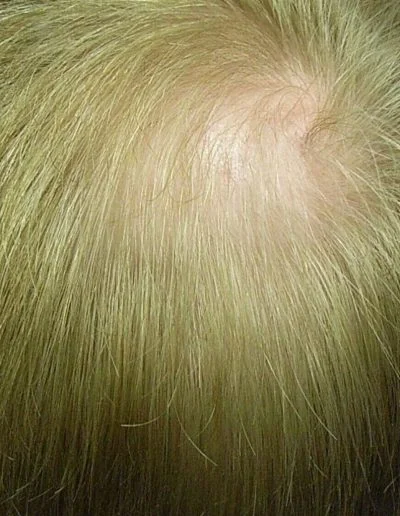 Before
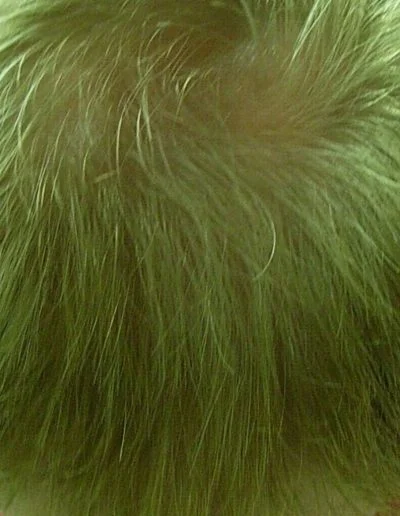 After
AfterSignificant crown density improvement at an advanced stage of male pattern baldness.
Learn how we helped →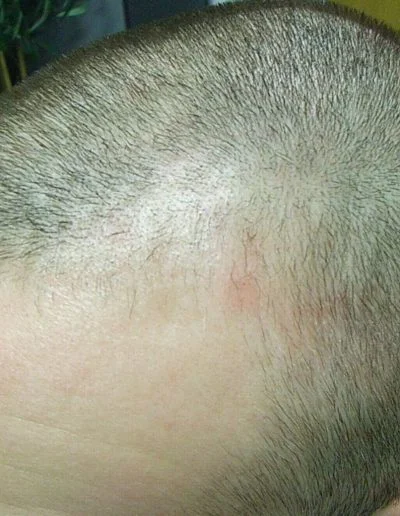 Before
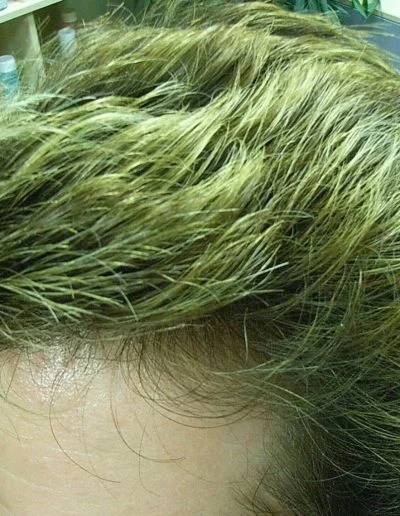 After
After40% density loss reversed — early intervention made all the difference.
Learn how we helped →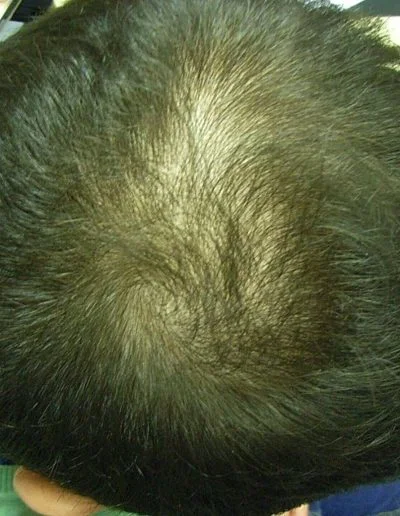 Before
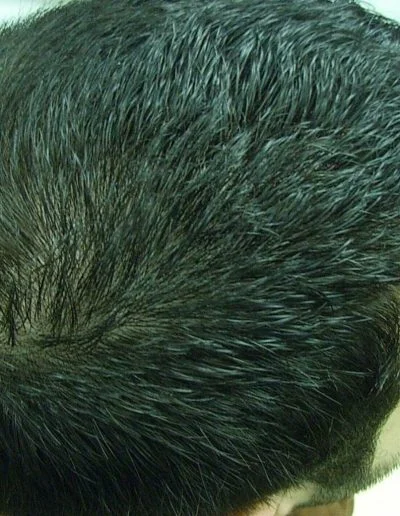 After
AfterEarly-stage pattern baldness halted and reversed with the right diagnosis.
Learn how we helped →Chief Trichologist
With over 40 years' experience diagnosing and treating hair loss conditions, Gary has helped thousands of clients understand their condition and find the right treatment path.
Our proven three-step approach to diagnosing and treating hair loss
Comprehensive assessment to identify the root cause of your hair loss using specialist trichology techniques.
Custom treatment plan tailored to your specific condition, lifestyle, and goals.
Regular monitoring and adjustments to ensure the best possible outcomes for your hair health.
Free online assessment • Takes 2 minutes
Get in touch with us today and talk to a trichologist.
Call us on 0203 468 7598 and arrange an appointment.
We have over 312 five-star Trustpilot Reviews.