
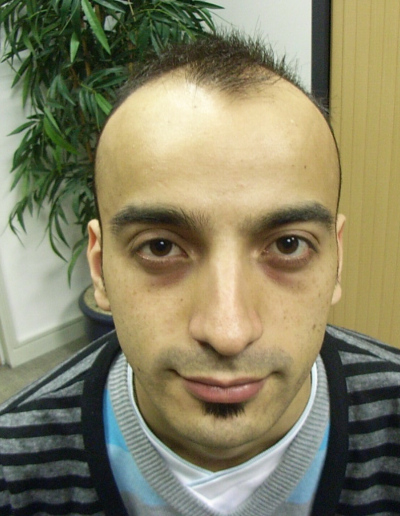
 Before
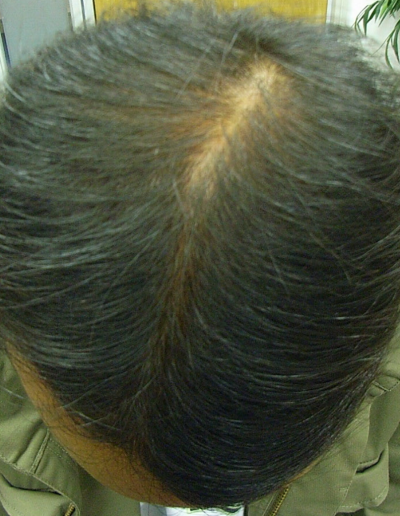 After
AfterMale Pattern Baldness12 months treatment
Asim's Male Pattern Baldness Recovery
Hairline and crown regrowth over 12 months of specialist treatment.
Learn how we helped →12 months treatment · Male Pattern Baldness

We reversed Merlin's significant 40% density loss caused by male pattern hair loss. With a targeted treatment plan, he restored his hair's thickness, regaining both his look and his confidence - proving moderate MPB cases achieve complete recovery with dedicated treatment.
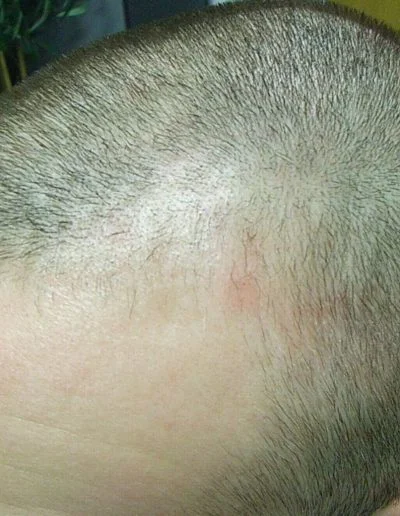 Before
 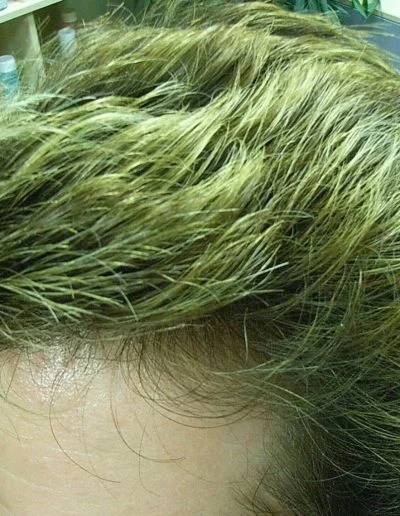 After
After Merlin, in his early 30s, came to us concerned about rapidly thinning hair. Despite having a healthy scalp, he had experienced an estimated 40% reduction in hair density due to male pattern hair loss, affecting both his hairline and crown. The early signs made him feel self-conscious, and he wanted to take action before the condition progressed further. The Moderate MPB Challenge:
At 32, Merlin was experiencing moderate-stage male pattern baldness — beyond early thinning, but not yet severely advanced. His level of density loss placed him in a middle stage where treatment is still effective, but requires a more structured approach than early intervention.
“I’d let it progress longer than I should have,” Merlin shared. “It started with minor temple recession in my late 20s, but I ignored it. By 32, I’d lost a significant amount of density. I was frustrated I hadn’t acted earlier, but determined to address it before it got worse.”
The Assessment:
Our evaluation revealed:
Why This Stage Matters:
Moderate-stage hair loss represents an important decision point:
Without intervention, continued progression may lead to more advanced hair loss, where treatment becomes more complex and outcomes less predictable.
The Psychological Impact:
Living with noticeable hair thinning affected Merlin’s confidence:
“I felt like I was ageing faster than my friends,” Merlin said. “At 32, I looked older than I felt, and that gap really affected my confidence.”
We designed a structured 12-month treatment programme for Merlin, using 15% Vitastim and 15% Biostim applied twice daily. The approach focused on stimulating affected follicles, supporting regrowth, and reducing further thinning.
Treatment Protocol:
The Moderate-Stage Protocol Approach:
1. Balanced Coverage Area:
Merlin's level of hair loss required treatment across:
2. Consistency Requirements:
Moderate-stage cases benefit from a consistent and structured routine:
Merlin maintained a highly consistent routine despite a demanding schedule, which supported his outcome.
Routine Integration:
Work Week:
Weekends and Travel:
Timeline and Expectations:
Months 1–4: Stabilisation
Months 5–7: Early Response
Months 8–10: Visible Improvement
Months 11–12: Continued Recovery
The goal was to improve hair density, support long-term stability, and restore confidence through a consistent and manageable treatment routine.
After 12 months of consistent treatment, Merlin achieved significant improvement in hair density and overall appearance. The previously thinning areas showed substantial recovery, supporting both his confidence and professional presence.
Quantifiable Results:
Strong Outcome for a Moderate Case:
Merlin's results represent a high-quality outcome for moderate-stage MPB. While complete restoration to pre-loss density is not always expected, his improvement allowed for a noticeably fuller appearance and improved styling flexibility.
The Transformation:
Merlin's before-and-after results showed clear visual improvement. Areas of thinning became less noticeable, and his overall appearance became more balanced and natural.
Beyond Physical Results:
"You can see the change in photos, but the bigger difference was how I felt. I stopped thinking about my hair constantly — in meetings, in photos, in everyday life. It allowed me to focus on my work and social life again."
Professional Impact:
What Early Action Helped Prevent:
By addressing hair loss at this stage, Merlin reduced the likelihood of further progression.
Long-Term Maintenance:
Following his results, Merlin transitioned to a maintenance routine:
With ongoing consistency, Merlin aims to maintain his results and support long-term hair health.
"I felt like I was ageing faster than my friends. The treatment gave me back my confidence and my hair — and I stopped constantly worrying about how I looked."
— Merlin, Male Pattern Baldness client
Male Pattern Baldness (androgenetic alopecia) is the most common cause of hair loss in men, affecting around half of all men by the age of 50. It is driven by a genetic sensitivity to DHT — a testosterone derivative that causes hair follicles to progressively miniaturise. The result is a characteristic receding hairline and thinning crown. While Male Pattern Baldness is progressive, early specialist diagnosis and treatment can slow or halt the process and, in many cases, stimulate meaningful regrowth.
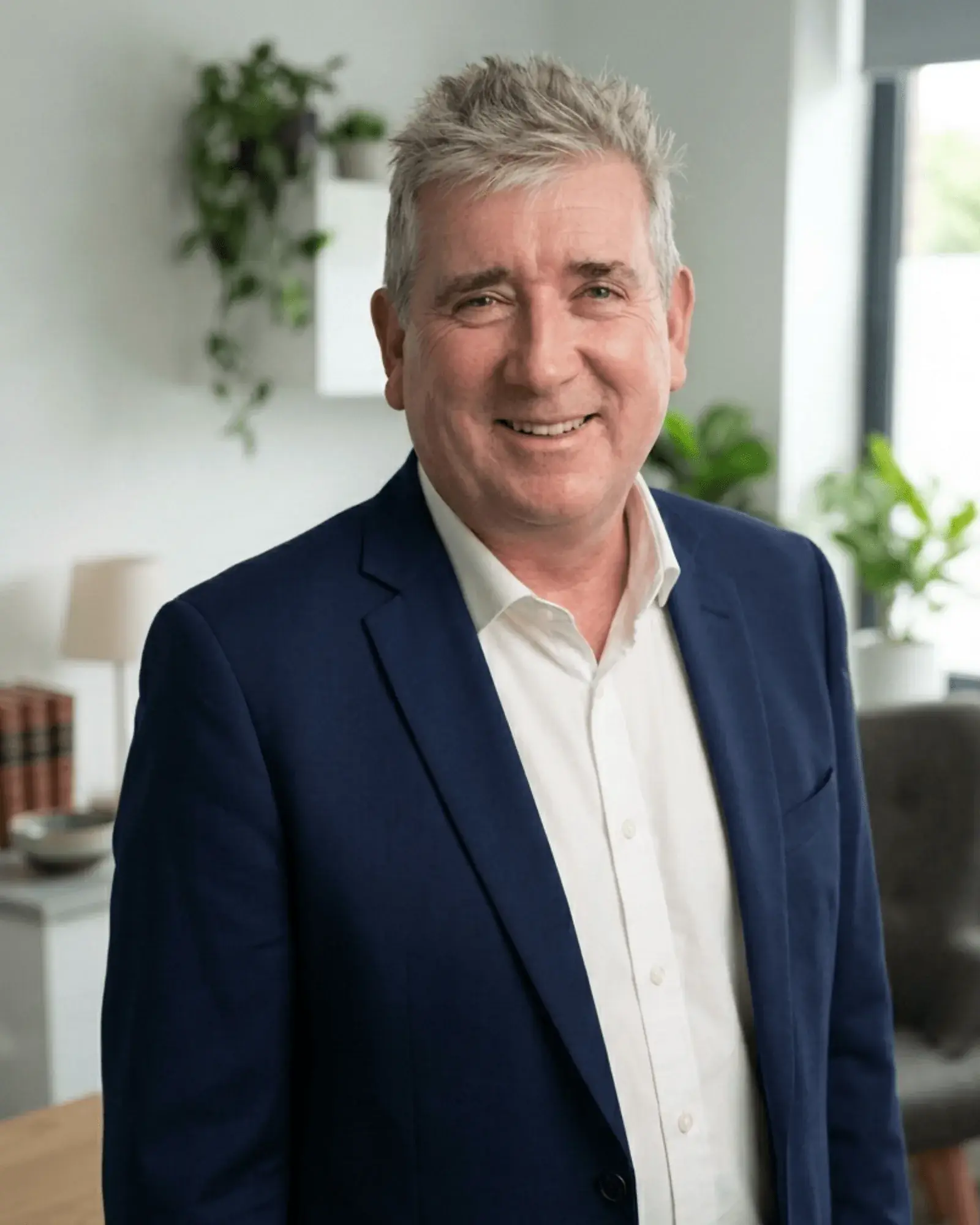
“Male Pattern Baldness doesn't have to be permanent. With the right treatment started early enough, we can halt progression and stimulate significant regrowth — even in clients who've been losing hair for years.”
BeforeAfterHairline and crown regrowth over 12 months of specialist treatment.
Learn how we helped →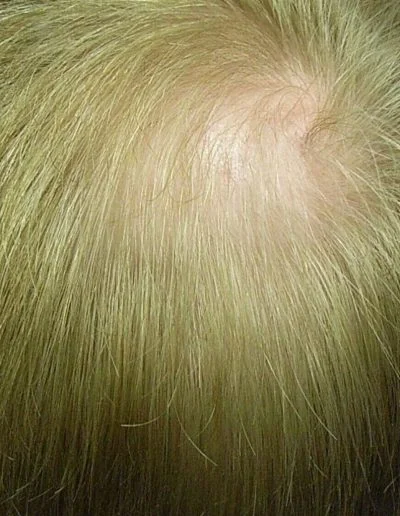 Before
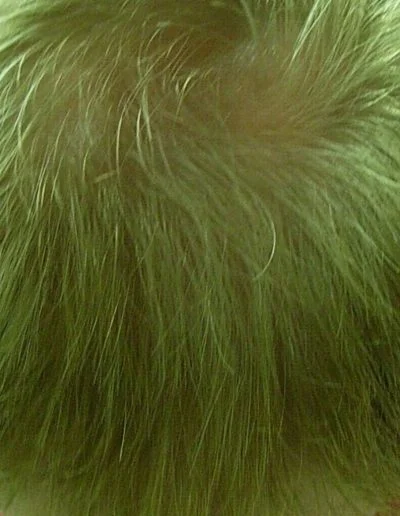 After
AfterSignificant crown density improvement at an advanced stage of male pattern baldness.
Learn how we helped →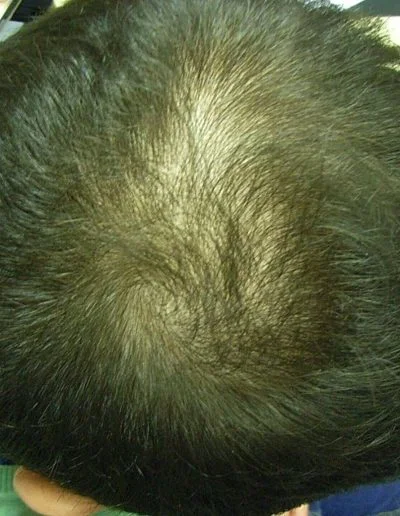 Before
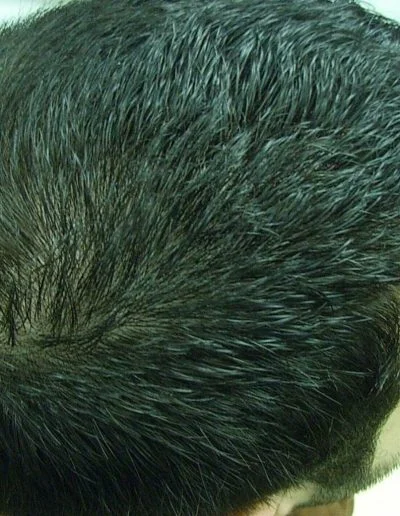 After
AfterEarly-stage pattern baldness halted and reversed with the right diagnosis.
Learn how we helped →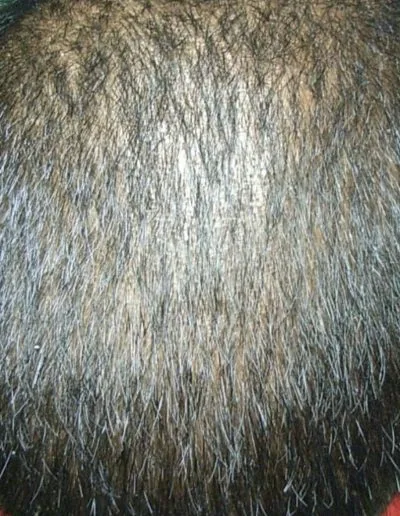 Before
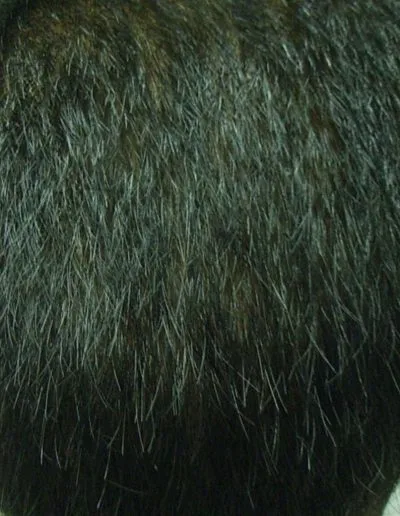 After
AfterEarly detection at 30 — targeted treatment stopped progression and restored density.
Learn how we helped →Chief Trichologist
With over 40 years' experience diagnosing and treating hair loss conditions, Gary has helped thousands of clients understand their condition and find the right treatment path.
Our proven three-step approach to diagnosing and treating hair loss
Comprehensive assessment to identify the root cause of your hair loss using specialist trichology techniques.
Custom treatment plan tailored to your specific condition, lifestyle, and goals.
Regular monitoring and adjustments to ensure the best possible outcomes for your hair health.
Free online assessment • Takes 2 minutes
Get in touch with us today and talk to a trichologist.
Call us on 0203 468 7598 and arrange an appointment.
We have over 312 five-star Trustpilot Reviews.