
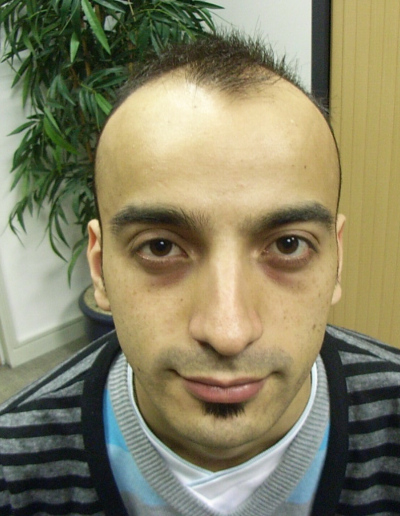
 Before
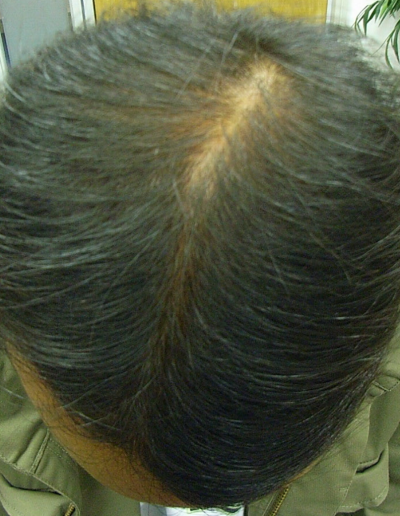 After
AfterMale Pattern Baldness12 months treatment
Asim's Male Pattern Baldness Recovery
Hairline and crown regrowth over 12 months of specialist treatment.
Learn how we helped →6 months treatment · Male Pattern Baldness

Mark caught male pattern baldness early at Norwood Stage 2, experiencing a 30% reduction in hair density. With our dedicated early intervention treatment plan, we not only reversed his hair thinning but stopped further progression entirely, improving both his hair's thickness, appearance, and confidence.
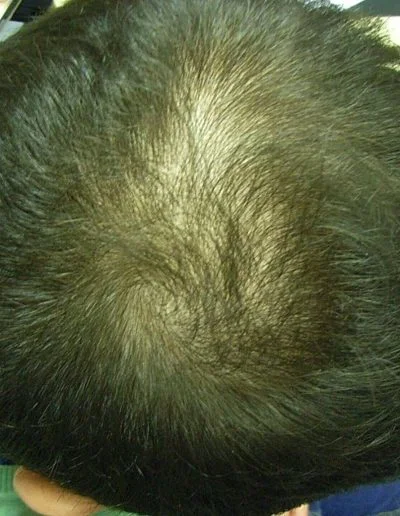 Before
 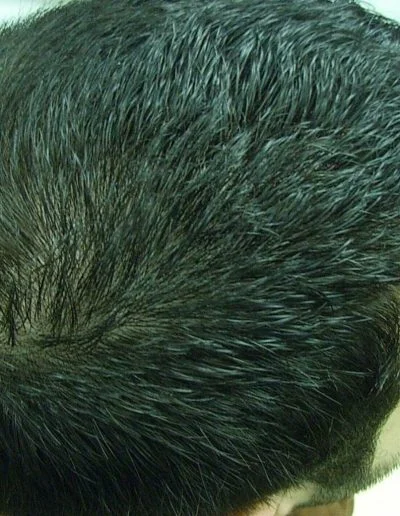 After
After Mark visited The Hair Centre in his mid-20s. He noticed warning signs of male pattern baldness. Instead of waiting until the loss became severe, Mark acted early. He saw subtle temple recession and slight crown thinning. The Smart Decision to Act Early:
Most men experiencing early MPB dismiss it as "just a bit of thinning" or tell themselves they'll deal with it later. Mark made a different choice. Recognising that male pattern baldness is progressive — meaning it gets worse over time if left untreated — he sought professional help immediately.
When Mark arrived at our clinic, our assessment confirmed he was at Norwood Stage 2 — the earliest clinically significant stage of male pattern baldness. He had a healthy scalp but was experiencing a 30% reduction in hair density, particularly at his temples, and early-stage crown thinning. Crucially, his hair follicles were still highly active and responsive, making this the optimal window for intervention.
Why Early Intervention Matters:
Mark's proactive approach gave him an advantage. At Norwood Stage 2, the following apply:
We explained to Mark that catching MPB at his stage was like addressing a small leak before it becomes a flood. With the right treatment protocol, we could not only reverse his current thinning but also prevent years of future hair loss.
Mark wanted to take control before his hair loss worsened. Though his thinning was mild, he was committed to halting progression and reversing early signs affecting his hairline and crown.
Understanding where you are on the Norwood scale, the standard classification system for male pattern baldness is essential for effective treatment planning.
The Norwood Scale Explained:
Why Norwood 2 Is the Ideal Intervention Point:
Mark’s case represents the optimal moment to begin treatment. Here’s why:
At Stage 2, hair follicles are experiencing early miniaturisation but haven’t shut down completely. They respond well to treatment, making reversal not just possible but highly likely.
Stopping progression from Stage 2 to Stage 3 requires less intensive treatment than reversing Stage 5 back to Stage 2. Mark’s early action meant he needed moderate intervention, not aggressive protocols.
Starting at Stage 2 gives you years of potential progression to prevent. Mark’s 6-month treatment didn’t just restore his current density, it likely prevented a decade of future hair loss.
Early intervention requires less product, shorter treatment timelines, and a lower overall investment than treating advanced stages.
Addressing MPB before it becomes visually obvious helps maintain confidence. Mark preserved his self-assurance rather than trying to rebuild it after years of visible thinning.
The Progression Mark Prevented:
Without treatment, Mark’s Norwood Stage 2 would have likely progressed to:
By acting at Stage 2, Mark stopped this entire progression before it started.
We developed Mark's early intervention protocol using proven treatments tailored to his Norwood Stage 2 presentation:
Treatment Protocol:
The Early Intervention Advantage:
Mark's treatment plan was designed differently from protocols for more advanced MPB:
1. Targeted Application
Rather than treating extensive bald areas, we focused on:
2. Stimulation + Prevention
The dual goal was:
3. Efficiency
With less area to treat and more responsive follicles, Mark's protocol required:
Application Technique:
Timeline and Goals:
The goal was to halt further thinning, restore lost density, and help maintain his hair's health and volume in the long term.
After six months of consistent early intervention treatment, Mark achieved remarkable results that validated his proactive approach.
Quantifiable Results:
The Transformation:
Mark’s before-and-after photos tell the story. The thinning areas were filled in, giving him a fuller and healthier appearance. More importantly, the progression stopped entirely — the hidden victory of prevention.
While advanced-stage cases show dramatic visual transformations, Mark’s results represent something equally valuable: what didn’t happen. He didn’t progress to Stage 3, 4, or 5. He didn’t lose years of hair density. He didn’t experience the confidence-eroding effects of advancing baldness.
Beyond Physical Results:
Mark reported that taking control of his hair health eliminated the anxiety that had been building. Instead of watching his hairline recede month by month, he watched it strengthen and stabilise.
“The best part wasn’t just getting my hair back,” Mark shared, “it was knowing I’d stopped the progression. I’m not worried about what I’ll look like in 5 or 10 years anymore. That peace of mind is priceless.”
Long-Term Success:
Mark transitioned to a maintenance protocol designed to preserve his results indefinitely. By continuing treatment at a reduced frequency, he keeps his follicles strong and prevents the progression of MPB that would have otherwise occurred.
"The best part wasn't just getting my hair back — it was knowing I'd stopped further progression and avoided concerns about future baldness."
— Mark, Male Pattern Baldness client
Male Pattern Baldness (androgenetic alopecia) is the most common cause of hair loss in men, affecting around half of all men by the age of 50. It is driven by a genetic sensitivity to DHT — a testosterone derivative that causes hair follicles to progressively miniaturise. The result is a characteristic receding hairline and thinning crown. While Male Pattern Baldness is progressive, early specialist diagnosis and treatment can slow or halt the process and, in many cases, stimulate meaningful regrowth.

“Male Pattern Baldness doesn't have to be permanent. With the right treatment started early enough, we can halt progression and stimulate significant regrowth — even in clients who've been losing hair for years.”
BeforeAfterHairline and crown regrowth over 12 months of specialist treatment.
Learn how we helped →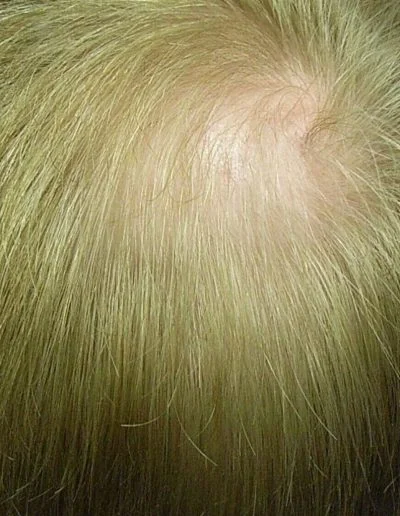 Before
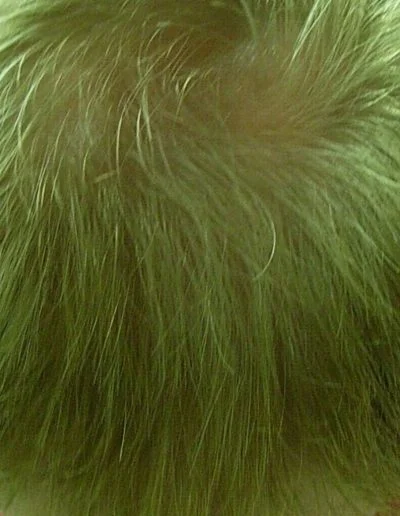 After
AfterSignificant crown density improvement at an advanced stage of male pattern baldness.
Learn how we helped →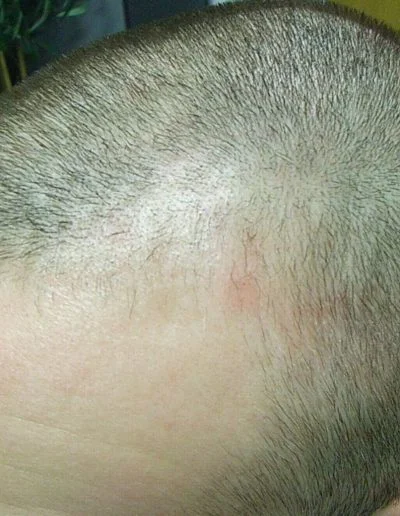 Before
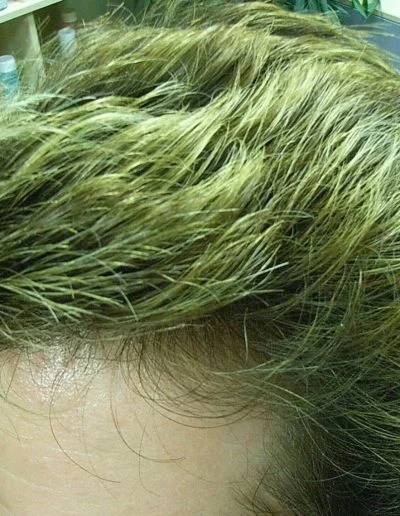 After
After40% density loss reversed — early intervention made all the difference.
Learn how we helped →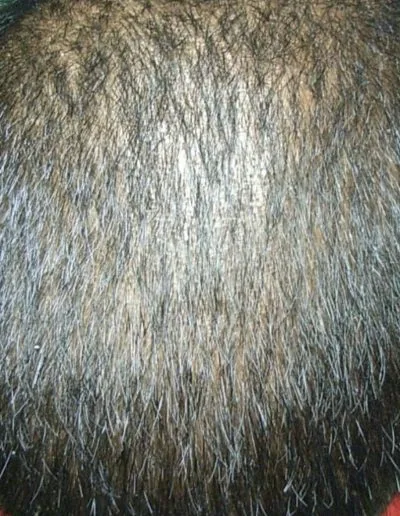 Before
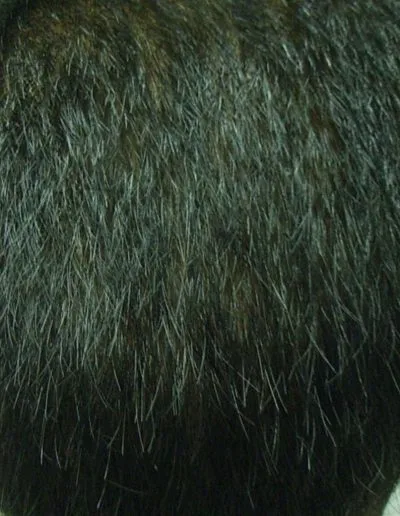 After
AfterEarly detection at 30 — targeted treatment stopped progression and restored density.
Learn how we helped →Chief Trichologist
With over 40 years' experience diagnosing and treating hair loss conditions, Gary has helped thousands of clients understand their condition and find the right treatment path.
Our proven three-step approach to diagnosing and treating hair loss
Comprehensive assessment to identify the root cause of your hair loss using specialist trichology techniques.
Custom treatment plan tailored to your specific condition, lifestyle, and goals.
Regular monitoring and adjustments to ensure the best possible outcomes for your hair health.
Free online assessment • Takes 2 minutes
Get in touch with us today and talk to a trichologist.
Call us on 0203 468 7598 and arrange an appointment.
We have over 312 five-star Trustpilot Reviews.