
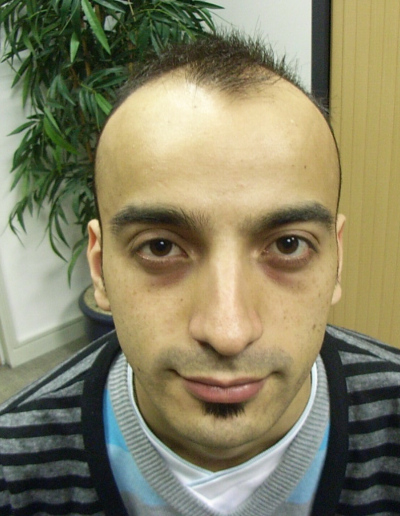
 Before
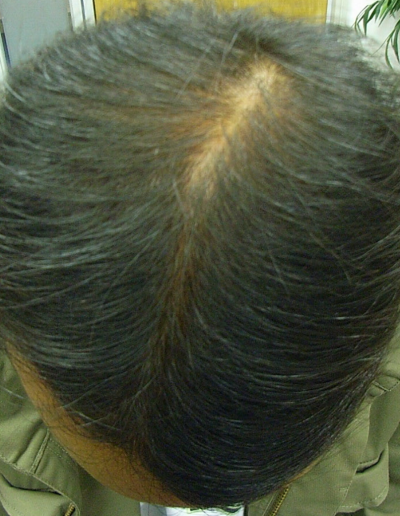 After
AfterMale Pattern Baldness12 months treatment
Asim's Male Pattern Baldness Recovery
Hairline and crown regrowth over 12 months of specialist treatment.
Learn how we helped →14 months treatment · Male Pattern Baldness

Martin, a 32-year-old British professional, experienced severe male pattern baldness with 50% crown density loss. With a personalised treatment plan using 5% Vitastim and 8% Biostim, we restored his hair's volume and regained his confidence and youthful appearance, proving advanced cases can achieve remarkable recovery.
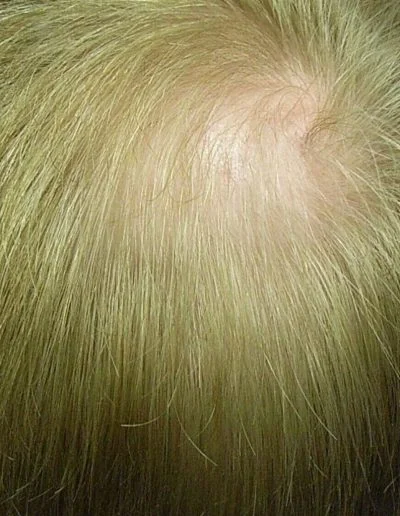 Before
 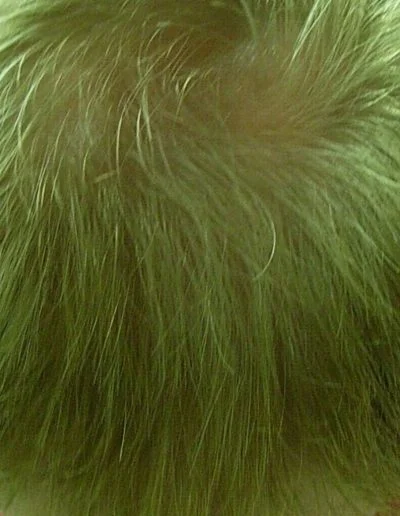 After
After Martin came to The Hair Centre in his early 30s, grappling with an urgent and daunting reality: despite his relatively young age, he was experiencing advanced-stage male pattern baldness with severe crown thinning. By age 32, Martin had already lost 50% of his hair density across his crown area, an alarmingly fast level of progression more commonly seen in men a decade or two older. The Fast Progression Problem:
Unlike men who experience gradual thinning over many years, Martin’s MPB accelerated rapidly through his late 20s and early 30s. What started as minor temple recession at 28 quickly escalated. By 32, substantial crown baldness dominated his appearance. This swift decline was both visibly striking and deeply distressing.
“I watched my hair disappear faster than friends who were older than me,” Martin shared during his initial consultation. “By 32, I looked older than colleagues in their 40s. It affected everything, how I presented myself professionally, how confident I felt socially, even how I saw myself in photos.”
The Severity Assessment:
When Martin arrived at our clinic, our trichological assessment revealed:
Despite a healthy scalp overall, Martin’s hair loss had reached a stage where many men abandon hope for non-surgical remedies. The psychological toll was significant. At an age when his focus should have been on career growth and building his life, he was instead dealing with anxiety and the distress of premature ageing.
Why Advanced Cases Are Different:
Treating MPB at Martin’s advanced, fast-moving stage requires a more intensive and strategic approach than early-stage intervention:
Martin was determined to take control of the situation. Despite the advanced nature of his hair loss, we reassured him that his follicles, while severely miniaturised, could still respond to treatment. With a tailored approach, he could expect improved coverage, increased density, and renewed confidence. His age worked in his favour, at 32, his natural recovery mechanisms were still strong, providing a solid foundation for restoration.
We developed an intensive treatment regimen tailored specifically for Martin’s advanced crown thinning. Treating a 50% density loss requires a structured and consistent approach to prevent further deterioration and maximise recovery.
Treatment Protocol:
The Advanced-Stage Treatment Approach:
Martin’s protocol differed from early-stage treatments in several key ways:
1. Larger Coverage Area
With 50% density loss across his crown, treatment required comprehensive coverage, including:
This required significantly more product per application compared to early-stage cases to ensure consistent coverage.
2. Specialised Application Technique
With reduced density, proper application technique becomes even more important:
3. Extended Timeline and Patience
Advanced cases require longer timelines and consistent adherence to treatment:
Consistency throughout this period is essential to achieve optimal results.
4. Lifestyle Integration
Martin required a routine that fit into a busy professional lifestyle:
The goal was to halt further thinning, restore density across the crown, and support long-term hair stability.
After 12–14 months of consistent treatment, Martin achieved substantial improvement in crown density. Previously thinned areas filled in significantly, and his hair regained a fuller, more youthful appearance.
Quantifiable Results:
Understanding “Success” in Advanced MPB Cases:
For men presenting with significant density loss like Martin, success does not always mean full restoration to pre-loss density. Instead, key outcomes include:
Martin achieved each of these benchmarks, placing his results in the “excellent outcome” category for advanced MPB treatment.
The Transformation Impact:
Martin’s before-and-after photographs show clear improvement. The crown thinning that had previously affected his appearance was significantly reduced. While full restoration to his earlier density was not the goal, the outcome delivered meaningful and visible change.
Beyond Physical Restoration:
The mental and emotional benefits matched the physical results:
“I stopped avoiding situations where people might see the top of my head — meetings, photos, even everyday interactions. I stopped worrying about lighting and angles. I could focus on my career and relationships again instead of constantly thinking about my hair. The treatment gave me back far more than just hair density.”
What Martin Prevented:
Beyond visible improvements, treatment helped prevent further progression. Without intervention, Martin may have experienced:
By taking action at 32, Martin was able to stabilise his hair loss and avoid further decline.
Long-Term Maintenance Strategy:
Following his initial restoration phase, Martin transitioned to a maintenance protocol designed to preserve results:
With consistent maintenance, Martin aims to preserve his results long-term and minimise future progression.
"I stopped avoiding situations where people might see the top of my head — meetings, photos, even everyday interactions. I stopped worrying about lighting and angles. I could focus on my career and relationships again instead of constantly thinking about my hair. The treatment gave me back far more than just hair density."
— Martin, Male Pattern Baldness client
Male Pattern Baldness (androgenetic alopecia) is the most common cause of hair loss in men, affecting around half of all men by the age of 50. It is driven by a genetic sensitivity to DHT — a testosterone derivative that causes hair follicles to progressively miniaturise. The result is a characteristic receding hairline and thinning crown. While Male Pattern Baldness is progressive, early specialist diagnosis and treatment can slow or halt the process and, in many cases, stimulate meaningful regrowth.

“Male Pattern Baldness doesn't have to be permanent. With the right treatment started early enough, we can halt progression and stimulate significant regrowth — even in clients who've been losing hair for years.”
BeforeAfterHairline and crown regrowth over 12 months of specialist treatment.
Learn how we helped →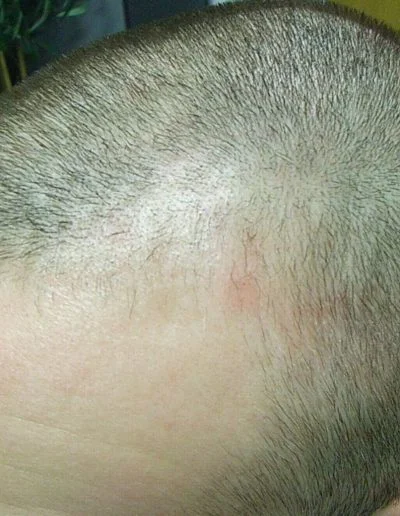 Before
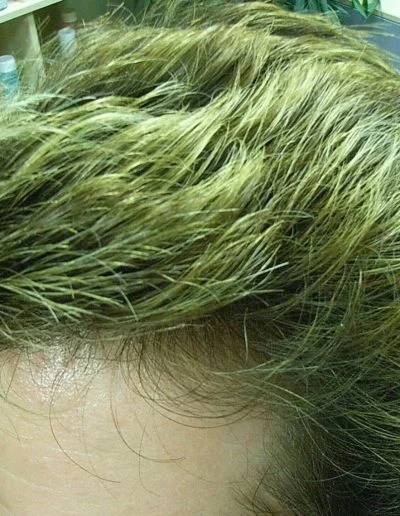 After
After40% density loss reversed — early intervention made all the difference.
Learn how we helped →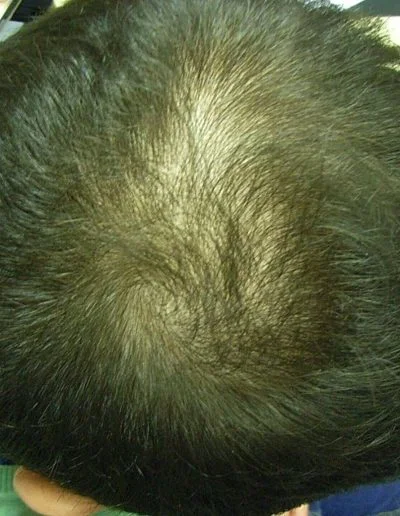 Before
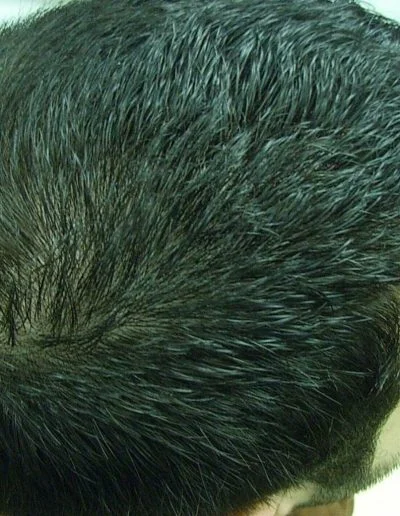 After
AfterEarly-stage pattern baldness halted and reversed with the right diagnosis.
Learn how we helped →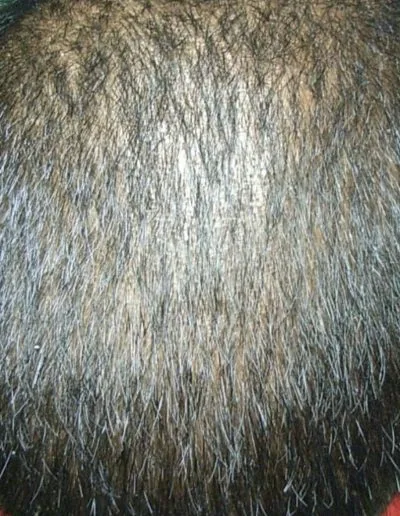 Before
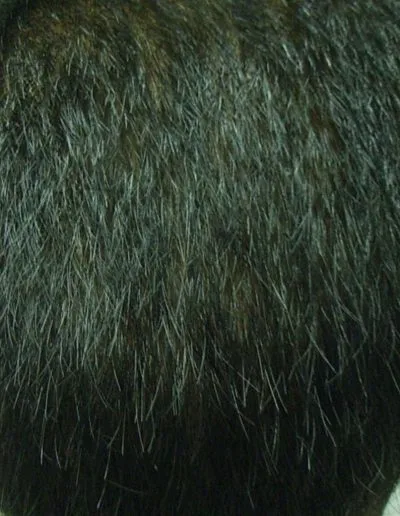 After
AfterEarly detection at 30 — targeted treatment stopped progression and restored density.
Learn how we helped →Chief Trichologist
With over 40 years' experience diagnosing and treating hair loss conditions, Gary has helped thousands of clients understand their condition and find the right treatment path.
Our proven three-step approach to diagnosing and treating hair loss
Comprehensive assessment to identify the root cause of your hair loss using specialist trichology techniques.
Custom treatment plan tailored to your specific condition, lifestyle, and goals.
Regular monitoring and adjustments to ensure the best possible outcomes for your hair health.
Free online assessment • Takes 2 minutes
Get in touch with us today and talk to a trichologist.
Call us on 0203 468 7598 and arrange an appointment.
We have over 312 five-star Trustpilot Reviews.