
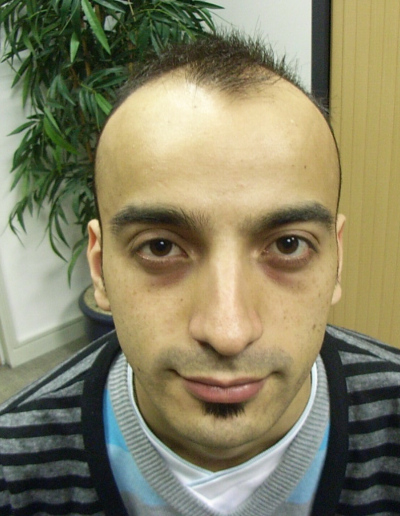
 Before
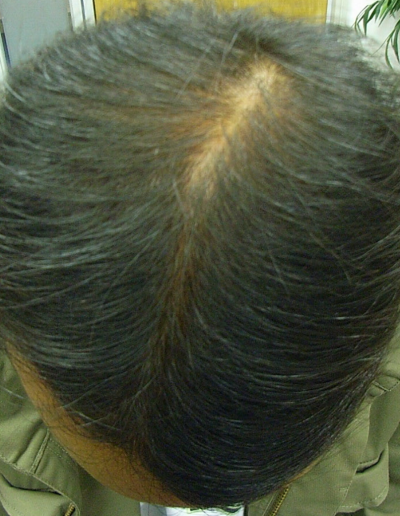 After
AfterMale Pattern Baldness12 months treatment
Asim's Male Pattern Baldness Recovery
Hairline and crown regrowth over 12 months of specialist treatment.
Learn how we helped →12 months treatment · Male Pattern Baldness

Learn how in just 12 months, Ni regained hair density and confidence through a targeted treatment plan tailored to his unique needs, reversing significant hair loss and stabilising his hairline. At 45, he proved it's never too late to catch MPB early and take preventive action.
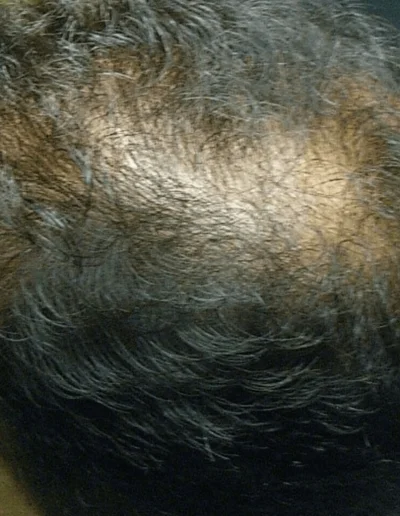 Before
 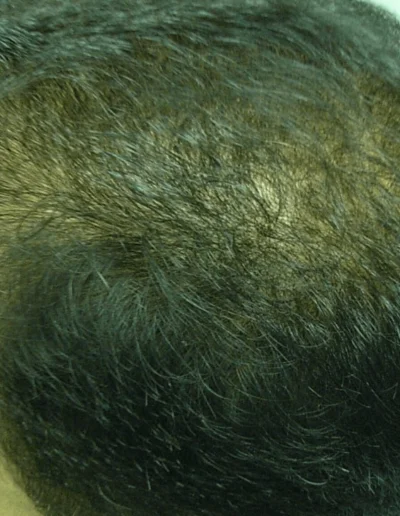 After
After Ni, a British Asian gentleman in his mid-40s, approached us, concerned about a receding hairline and a thinning crown that had developed in recent years. His thick, straight black hair had always been a source of confidence — until male pattern baldness subtly began to affect his appearance. The Mid-Life Early Detection:
Unlike many men who notice MPB in their 20s or 30s, Ni's hair loss became apparent in his early to mid-40s. Rather than delaying action, he recognised the importance of early intervention and chose to address it at its earliest stage.
"I'm 45, not 25," Ni shared during his consultation. "Some people might think I should just accept it at my age. But I caught it early, it's just starting to thin, not severe yet. I thought: if I act now, I can prevent it from getting worse."
The Asian Hair Context:
Men of East Asian descent often have:
Ni's hair type initially masked early thinning, but once density decreased, the contrast between hair and scalp became more noticeable.
The Presentation:
Our assessment revealed:
The Advantages of Acting at 45:
Ni's approach reflected a practical and proactive mindset:
"At 45, I've learned that small problems are easier to manage than big ones. I'd rather act now than wait and deal with something more advanced later."
Why Early Intervention at 45 Matters:
Addressing MPB at this stage can:
The "Never Too Late" Perspective:
Ni's case highlights two important points:
By acting early in his hair-loss stage, Ni took a proactive step toward maintaining both his appearance and his long-term hair health.
To treat Ni’s male pattern hair loss, we created a structured 12-month programme focused on restoring density and preventing further progression.
Treatment Protocol:
Early-Stage Protocol Advantage:
Early-stage MPB allows for more targeted and efficient treatment:
This required less product than advanced cases while still ensuring full coverage.
Highly Responsive Follicles:
Early miniaturisation stages typically respond more effectively to treatment:
Prevention-Focused Application:
The plan emphasised both restoration and prevention:
Application Routine for Working Professionals:
Morning Application (Pre-Work):
Evening Application (Before Bed):
Consistency:
Ni integrated treatment into his daily routine:
His high level of consistency over 12 months supported his results.
Timeline and Expectations:
The goal was to restore early-stage density loss while supporting long-term hair health through consistent care.
After 12 months of treatment, Ni saw significant improvement. Crown density increased, and his hairline stabilised with visible thickening. Beyond physical changes, he regained confidence and self-assurance.
Quantifiable Results:
Early-Stage Success:
Ni’s results highlight the value of early intervention. Addressing hair loss at an early stage allowed for substantial recovery and long-term stability.
The Prevention Benefit:
Early treatment helped stabilise Ni’s condition and reduce the risk of further progression over time.
The Confidence Impact:
“The physical results are clear, but the biggest change was mental. I stopped worrying about my hair in meetings, photos, and daily life. I could focus on what mattered instead.”
Professional and Personal Benefits:
Long-Term Maintenance Strategy:
Ni transitioned to a simplified maintenance routine to preserve results:
With consistent maintenance, Ni aims to preserve his results long-term and maintain hair stability through the coming years.
"I'm 45, not 25. Some people might think I should just accept it at my age. But I caught it early — it's just starting to thin, not severe yet. I thought: if I act now, I can prevent it from getting worse."
— Ni, Male Pattern Baldness client
Male Pattern Baldness (androgenetic alopecia) is the most common cause of hair loss in men, affecting around half of all men by the age of 50. It is driven by a genetic sensitivity to DHT — a testosterone derivative that causes hair follicles to progressively miniaturise. The result is a characteristic receding hairline and thinning crown. While Male Pattern Baldness is progressive, early specialist diagnosis and treatment can slow or halt the process and, in many cases, stimulate meaningful regrowth.

“Male Pattern Baldness doesn't have to be permanent. With the right treatment started early enough, we can halt progression and stimulate significant regrowth — even in clients who've been losing hair for years.”
BeforeAfterHairline and crown regrowth over 12 months of specialist treatment.
Learn how we helped →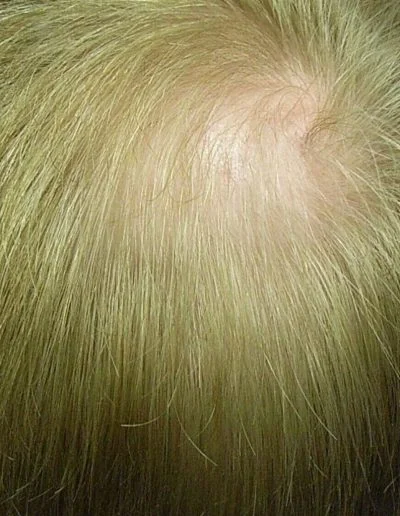 Before
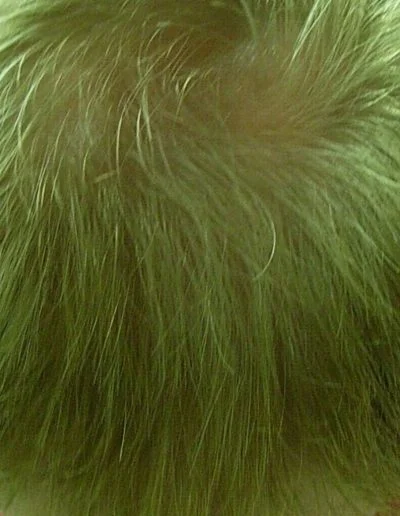 After
AfterSignificant crown density improvement at an advanced stage of male pattern baldness.
Learn how we helped →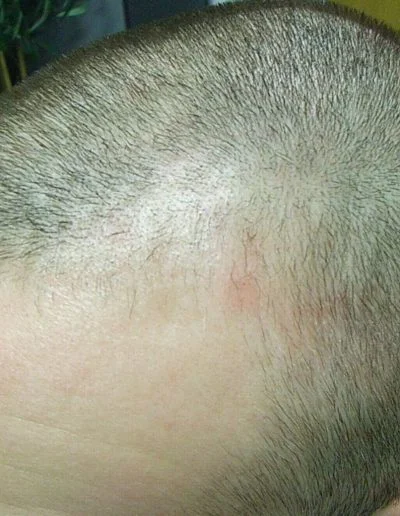 Before
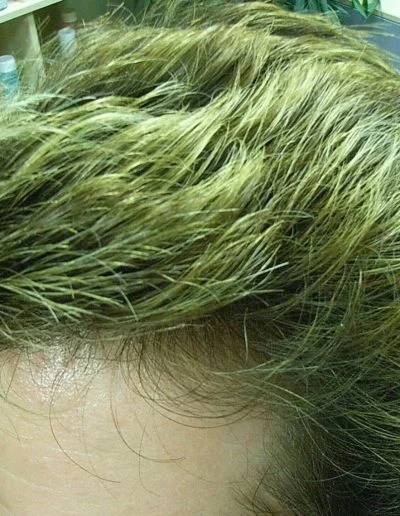 After
After40% density loss reversed — early intervention made all the difference.
Learn how we helped →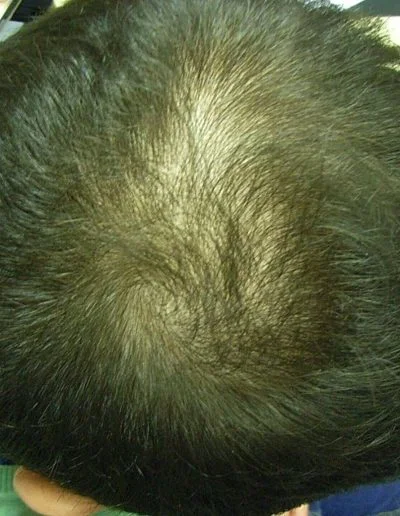 Before
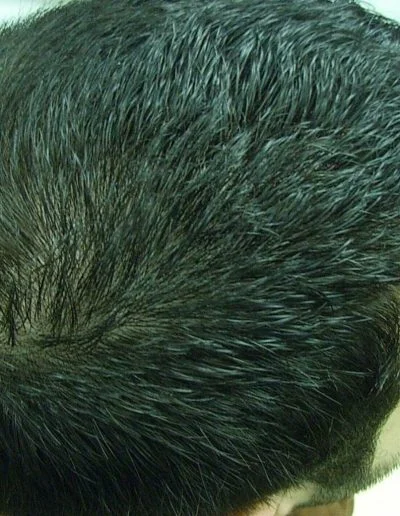 After
AfterEarly-stage pattern baldness halted and reversed with the right diagnosis.
Learn how we helped →Chief Trichologist
With over 40 years' experience diagnosing and treating hair loss conditions, Gary has helped thousands of clients understand their condition and find the right treatment path.
Our proven three-step approach to diagnosing and treating hair loss
Comprehensive assessment to identify the root cause of your hair loss using specialist trichology techniques.
Custom treatment plan tailored to your specific condition, lifestyle, and goals.
Regular monitoring and adjustments to ensure the best possible outcomes for your hair health.
Free online assessment • Takes 2 minutes
Get in touch with us today and talk to a trichologist.
Call us on 0203 468 7598 and arrange an appointment.
We have over 312 five-star Trustpilot Reviews.