
Seborrhoeic Eczema: Causes, Conditions and Treatments
Seborrhoeic Eczema affects the scalp and can cause significant discomfort, scaling, and hair thinning. Learn what causes it, how to recognise the signs, and what treatment options are available.
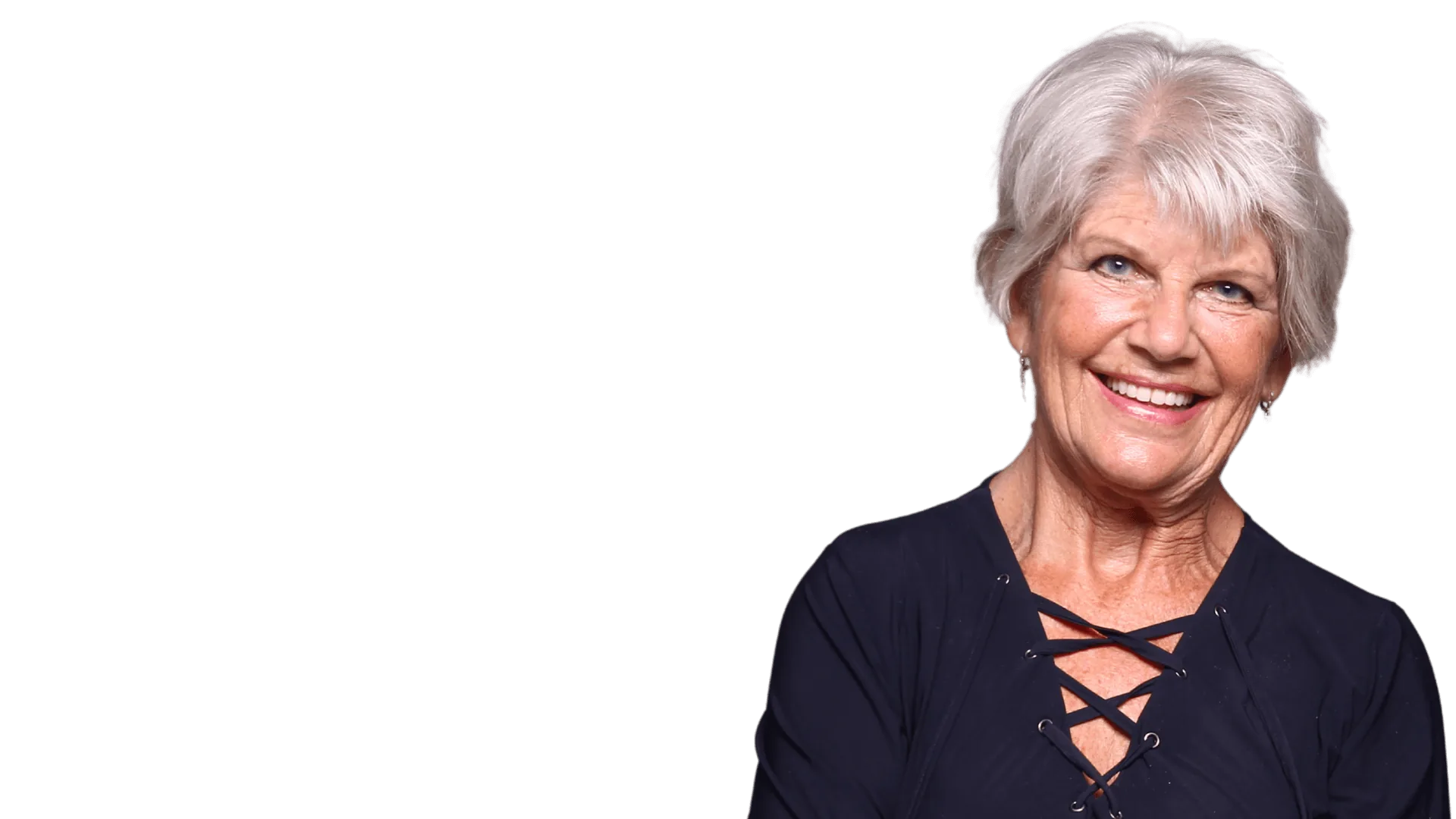
Seborrhoeic Eczema is distinguished by redness and patches of scale on the scalp, usually near the ears and hairline as the oil glands become sensitive to the levels of male hormones or androgens in the system. Individuals have a genetically determined predisposition towards this condition and outbreaks can be triggered by stress at different ages in the sufferer.
What is Seborrhoeic Eczema?
Seborrhoeic Eczema is a chronic form of eczema that occurs in areas of the body with a high density of sebaceous (oil) glands. On the scalp, it presents as red, inflamed skin with greasy scales or flakes, accompanied by itching and discomfort.
What are the symptoms of Seborrhoeic Eczema?
- Scaly patches on the scalp, often yellowish or white
- Redness and inflammation of the scalp
- Itching and discomfort
- Flaky skin that may resemble dandruff
- Red, inflamed skin beneath the scales
Key facts about Seborrhoeic Eczema
- It is a chronic condition that tends to flare up and then improve
- Often associated with an overgrowth of Malassezia yeast on the skin
- Can occur at any age but is most common in adults
- Can be a trigger for hair loss if inflammation is persistent
What triggers Seborrhoeic Eczema?
- Genetic predisposition: Family history of eczema or skin conditions
- Malassezia yeast: Overgrowth on the skin can trigger an inflammatory response
- Oily skin: Excessive sebum production can exacerbate symptoms
- Cold, dry weather can worsen the condition
- Stress and hormonal changes can trigger or exacerbate symptoms
- Certain Medical Conditions: Neurological and psychiatric conditions like Parkinson's disease and depression
Can Seborrhoeic Eczema be cured?
Seborrhoeic Eczema cannot be permanently cured, as it is a chronic condition influenced by factors like skin sensitivity, yeast overgrowth, and genetics. However, it can be controlled with medicated shampoos, antifungal treatments, and anti-inflammatory therapies. Managing triggers such as stress, diet, and skincare can help keep symptoms under control and reduce flare-ups.
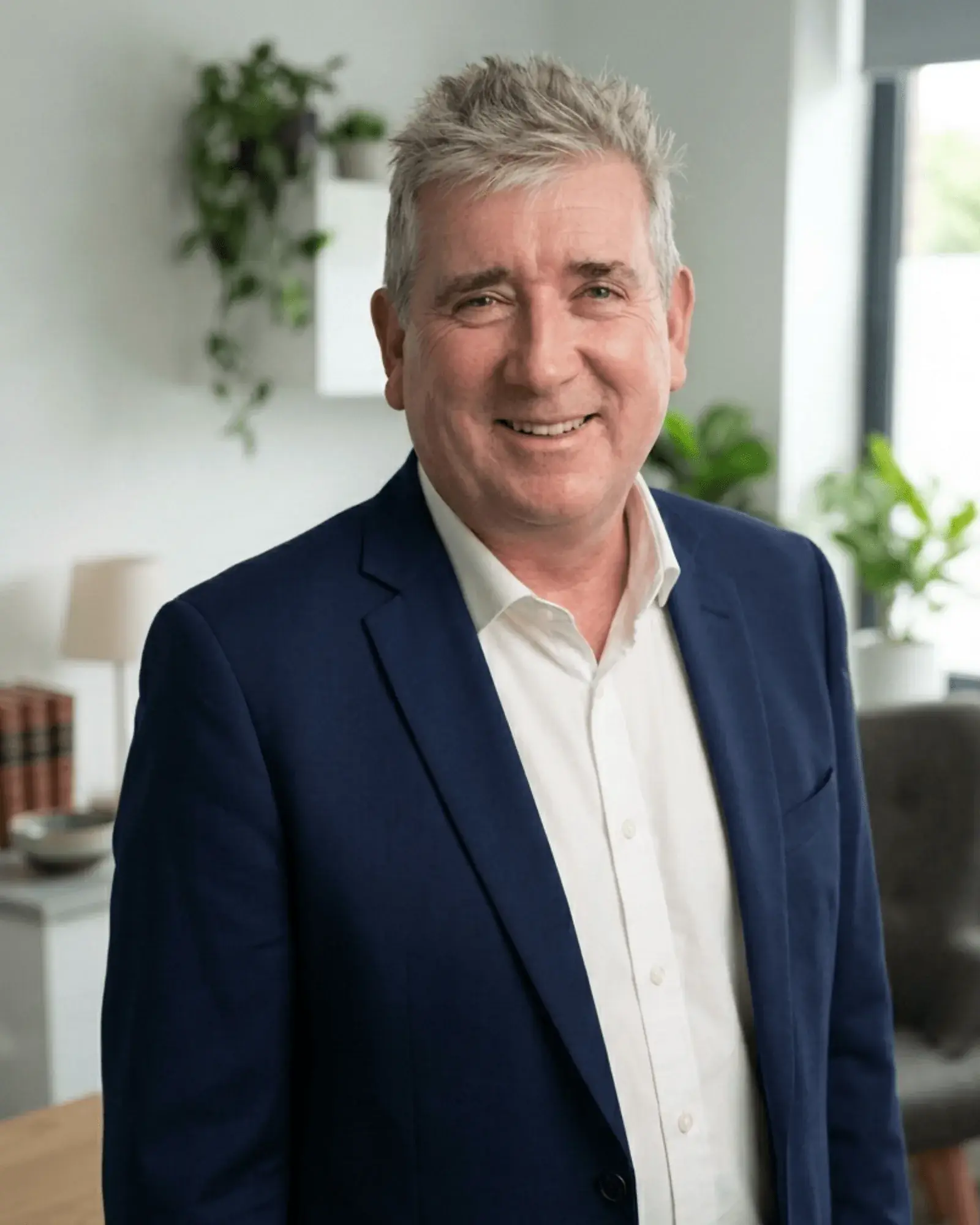
“Seborrhoeic Eczema is a common scalp condition that can cause discomfort and flaking, but with the right treatment, it can be effectively managed. A healthy scalp is key to maintaining strong, vibrant hair.”
Seborrhoeic Eczema FAQ
What causes Seborrhoeic Eczema?
It is linked to an overgrowth of a naturally occurring yeast called Malassezia on the scalp, combined with an overactive immune response. Hormonal changes, stress, and oily skin can all contribute.
Is Seborrhoeic Eczema the same as dandruff?
They are related but not identical. Dandruff is a milder form affecting mainly the scalp surface. Seborrhoeic Eczema is more inflammatory, causing redness, scaling, and discomfort beyond just flaking.
Can Seborrhoeic Eczema cause hair loss?
In severe or prolonged cases, the inflammation can affect the hair follicles and lead to temporary hair shedding. Hair usually regrows once the condition is brought under control.
Is Seborrhoeic Eczema contagious?
No. It is not contagious and cannot be passed between people. It is caused by factors internal to the individual, not by infection from others.
What treatments are most effective?
Antifungal shampoos, topical corticosteroids, and medicated scalp treatments are commonly used. Managing stress, maintaining a balanced diet, and using gentle hair care products also support long-term control.
Chief Trichologist
Gary Heron
With over 40 years' experience diagnosing and treating hair loss conditions, Gary has helped thousands of clients understand their condition and find the right treatment path.
- 40+ specialist experience in trichology
- Diagnosis-first approach to treatment planning
- Personalised treatment plans for all hair loss types
- Proven track record with thousands of clients
Take the First Step Towards Healthier Hair
Our proven three-step approach to diagnosing and treating hair loss
Expert Diagnosis
Comprehensive assessment to identify the root cause of your hair loss using specialist trichology techniques.
Personalised Treatment
Custom treatment plan tailored to your specific condition, lifestyle, and goals.
Ongoing Support
Regular monitoring and adjustments to ensure the best possible outcomes for your hair health.
Free online assessment • Takes 2 minutes
Hair Loss Issue?
Book a Free Video Consultation
Get in touch with us today and talk to a trichologist.
Call us on 0203 468 7598 and arrange an appointment.
We have over 312 five-star Trustpilot Reviews.